
Here’s How to Choose the Right Replacement Option
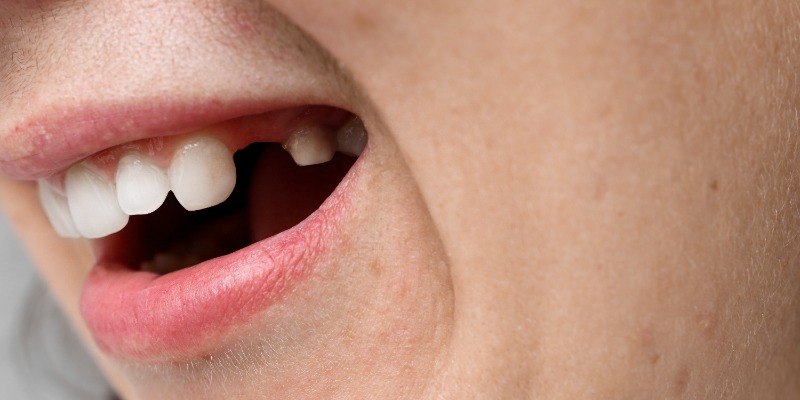
Losing a tooth can feel overwhelming. Whether it happened because of decay, gum disease, an accident, or an extraction, many patients immediately ask the same question:
“What should I do now?”
While the consequences of missing teeth are important to understand, the next step is knowing which replacement option makes the most sense for your lifestyle, budget, and long-term oral health.
If you haven’t already read it, our companion article explains the health effects of leaving a missing tooth untreated:
Related Reading: What happens when you are missing a tooth?
Why Replacing a Missing Tooth Matters
Many people assume that if the missing tooth isn’t visible, treatment can wait indefinitely. Unfortunately, the mouth doesn’t stay the same after tooth loss.
Over time, surrounding teeth may begin to shift, bite patterns can change, and the jawbone in that area may gradually lose density due to lack of stimulation. Early treatment often provides more options and can help preserve long-term oral health.
The good news is that modern dentistry offers several effective solutions.
Option 1: Dental Implants
Dental implants are often considered the closest replacement to a natural tooth.
A small titanium post is placed into the jawbone, where it functions similarly to a tooth root. Once healed, a custom crown is attached to create a natural-looking restoration.
Benefits of Dental Implants
- Look and feel like natural teeth
- Help preserve jawbone health
- Do not rely on neighbouring teeth for support
- Long-lasting solution with proper care
Dental implants are often recommended for patients looking for a durable, long-term replacement option.
Option 2: Dental Bridges
A dental bridge fills the gap by attaching a replacement tooth to neighbouring teeth.
Bridges can be an excellent option when adjacent teeth already require crowns or when an implant is not the preferred choice.
Benefits of Dental Bridges
- Fixed in place
- Faster treatment timeline than implants
- Restores appearance and chewing function
- No surgery required
Option 3: Partial Dentures
For patients missing multiple teeth, a removable partial denture may be recommended.
Modern partial dentures are lighter and more comfortable than many people expect.
Benefits of Partial Dentures
- Cost-effective solution
- Can replace multiple missing teeth
- Non-surgical treatment option
- Easy to adjust if future dental needs change
Which Option Is Best?
There is no one-size-fits-all answer.
The ideal treatment depends on factors such as:
- Your overall oral health
- Bone levels in the jaw
- Location of the missing tooth
- Number of teeth missing
- Budget considerations
- Long-term goals
A comprehensive dental examination can help determine which solution best fits your needs.
The Best Time to Explore Your Options
Many patients delay treatment because the missing tooth isn’t causing pain. However, waiting too long can sometimes reduce available treatment options as neighbouring teeth shift and bone levels change.
If you’re considering replacing a missing tooth, speaking with a dentist sooner rather than later can help you understand your options and plan confidently for the future.
Learn More
Read our companion article:
What Happens When You’re Missing a Tooth?
To discuss your tooth replacement options, visit:
A personalized consultation can help determine the solution that best supports your smile, comfort, and long-term oral health.d, British Columbia 📞 Contact the clinic today to schedule your exam.
You may also be interested in…
Dental Implant vs Bridge
4 minute read
How Long Does Invisalign Take?
3 minute read
Veneers vs. Crowns
4 minute read