Which Saves You More Money Long-Term?
When replacing a missing tooth, many patients focus on the initial cost of treatment. While this is understandable, the more important question is often: which option will cost less over the long term?
The two most common solutions for replacing a missing tooth are dental implants and dental bridges. Both can restore your smile and improve chewing function, but they differ significantly in longevity, maintenance, and long-term value.
At English Bay Dental in Vancouver, we help patients understand not only the upfront investment but also the lifetime cost of each treatment option.
Understanding Dental Bridges
A dental bridge replaces a missing tooth by attaching an artificial tooth to the neighboring teeth on either side of the gap.
Benefits of a dental bridge include:
- Lower initial cost
- Faster treatment timeline
- No surgical procedure required
- Natural-looking appearance
However, bridges rely on the health of the surrounding teeth. To support the bridge, these teeth often need to be reshaped and crowned.
Understanding Dental Implants
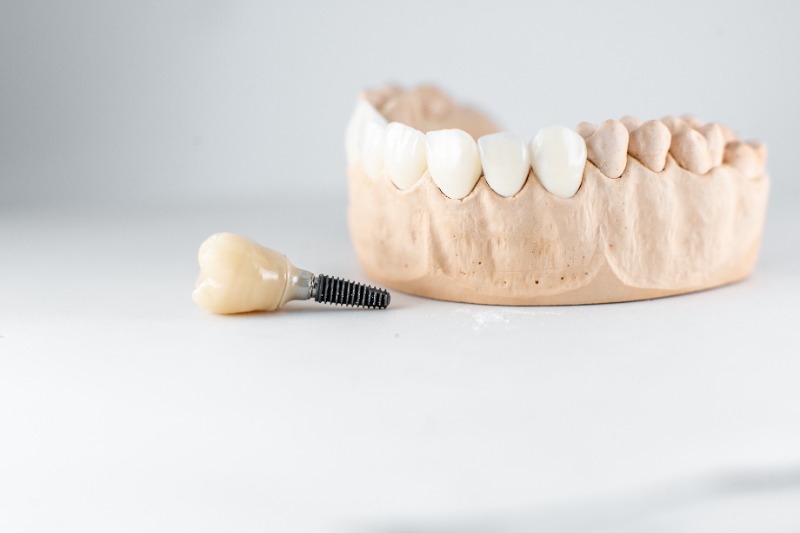
A dental implant replaces both the root and crown of a missing tooth. A titanium implant is placed into the jawbone, where it functions similarly to a natural tooth root.
Benefits of dental implants include:
- Preservation of jawbone structure
- No impact on neighboring teeth
- Improved stability and chewing ability
- Long-lasting results
- Natural appearance and feel
Many patients are initially concerned about the higher cost of implants, but longevity is an important factor when evaluating overall value.
Comparing Long-Term Costs
While a bridge may cost less upfront, it may require replacement after 10 to 15 years depending on oral hygiene, bite forces, and general wear.
Dental implants, on the other hand, can last decades with proper care and regular dental visits. In many cases, the implant itself can last a lifetime.
When evaluating the total cost over 20 or 30 years, an implant may prove to be the more economical option because it often avoids the need for repeated replacement procedures.
Oral Health Considerations Matter Too
Cost is only one factor.
Because a bridge does not replace the tooth root, the jawbone underneath the missing tooth can gradually shrink over time. This bone loss may affect facial appearance and future treatment options.
Dental implants stimulate the jawbone similarly to a natural tooth, helping preserve bone density and supporting long-term oral health.
This added benefit often contributes to the overall value of implant treatment.
Which Option Is Right for You?
The best treatment depends on several factors, including:
- Your oral health
- Bone density
- Budget
- Timeline
- Long-term goals
Some patients may benefit from the convenience of a bridge, while others may find that an implant offers greater long-term value and durability.
For a deeper discussion about long-term cost-effectiveness, read our companion article on PromptHealth:
Which Option Is More Cost-Effective Long-Term? — Explained by Dr. Siavash Alam
Missing a Tooth? Let’s Explore Your Options
Every smile is different. If you’re considering a dental implant or dental bridge, the team at English Bay Dental can help you understand the benefits, costs, and long-term outcomes of each option.
Visit English Bay Dental Vancouver to schedule a consultation and learn which tooth replacement solution is right for you.
Frequently Asked Questions
Is a dental implant better than a bridge?
A dental implant is often considered the gold standard because it replaces the tooth root, preserves bone, and does not rely on neighboring teeth for support.
How long do dental bridges last?
Most dental bridges last between 10 and 15 years, although lifespan varies based on oral hygiene and maintenance.
How long do dental implants last?
With proper care, dental implants can last decades and may even last a lifetime.
Which option is more cost-effective long-term?
Although implants typically have a higher upfront cost, their longevity often makes them more cost-effective over the long term compared to bridges.