
Here’s What Modern Filling Treatment Actually Looks Like
Finding out you have a cavity can be unsettling — but cavity treatment today is far gentler and more precise than many people expect. If you’re searching for a dentist near you in Richmond, British Columbia, understanding what happens during a filling can take a lot of the worry out of the appointment.
Dr. Tang at Lansdowne Dental Centre in Richmond focuses on conservative, natural-looking restorations that keep as much of your healthy tooth as possible. Here’s what you should know before your visit.
Why a Small Cavity Shouldn’t Wait
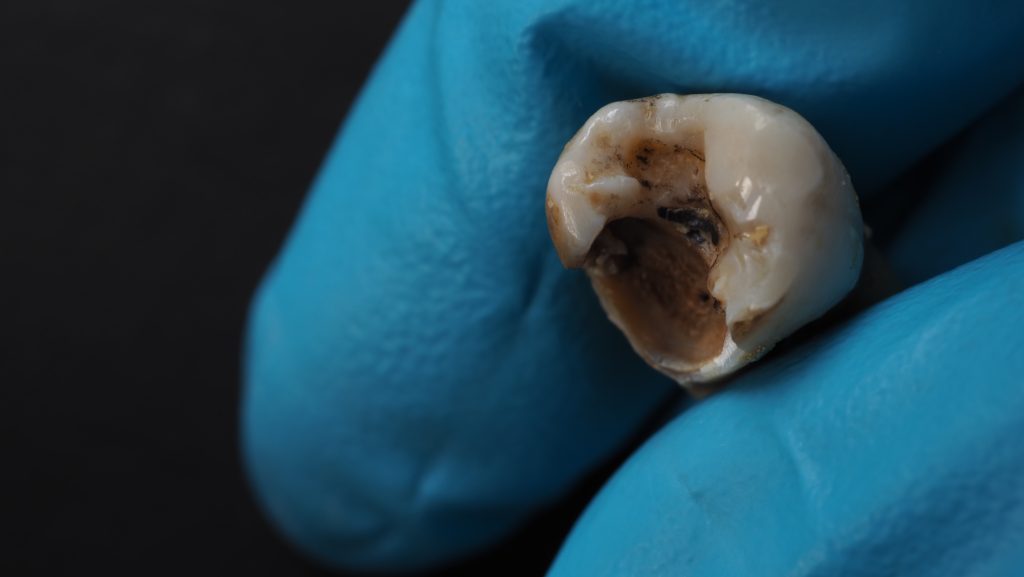
A cavity starts when bacteria produce acid that wears down the tooth’s surface. Left alone, it doesn’t stay small — it works deeper into the tooth and can eventually lead to pain, infection, fractures, or even the need for a root canal.
The encouraging part: a cavity caught early is quick and simple to treat. The longer you wait, the more involved the fix becomes. That’s the single biggest reason routine checkups matter.
How Do You Know If You Have One?
Cavities don’t always announce themselves with pain. Watch for:
- Sensitivity to cold or sweet foods
- A twinge when you bite down
- Dark spots or visible pits on a tooth
- Rough patches you notice with your tongue
- Food consistently catching in one spot
If any of these sound familiar, it’s worth getting checked.
What Actually Happens During a Filling
Modern fillings are designed around one goal: fix the damage while preserving the natural tooth. Teeth aren’t flat — those grooves and ridges guide your chewing and protect neighboring teeth, so recreating them properly matters.
Here’s the typical process:
- Numbing — A local anesthetic makes the area comfortable. Most people feel little to nothing.
- Removing decay — Only the damaged part is taken out; healthy tooth stays put.
- Cleaning and prep — The area is cleaned and a bonding agent readies the tooth.
- Restoring the shape — Tooth-colored composite is layered in and sculpted to match your tooth’s natural contours.
- Curing and polishing — A curing light hardens the material, then it’s polished and your bite is checked.
The result looks and feels like a natural tooth.
Why Tooth-Colored Fillings Are the Standard Now
Most fillings today use composite resin instead of older metal materials. The advantages are practical: they blend in with your natural teeth, bond directly to the tooth structure, and require removing less healthy tooth to place. They’re durable and look good — which is why they’ve become the norm in modern practices.
Does It Hurt?
This is the question almost everyone asks. With current techniques, most fillings are comfortable and quick. You may feel mild pressure during the procedure and some sensitivity afterward, but that typically fades within a day or two.
When to Book a Visit
Consider scheduling an appointment if you notice sensitivity, see a hole or stain on a tooth, feel discomfort when chewing, or simply haven’t had an exam in the past six months. Early diagnosis almost always means simpler treatment.
For a more detailed, step-by-step walkthrough of how dentists rebuild a tooth’s natural shape, you can also read Dr. Tang’s guide to restoring cavities while preserving tooth structure
Book a Cavity Exam in Richmond, BC
If you suspect a cavity or have noticed any sensitivity, early care protects your smile and helps you avoid bigger problems later. Dr. Tang provides modern cavity treatment in Richmond focused on comfort, function, and keeping your natural teeth healthy.
📍 Lansdowne Dental Centre — Richmond, British Columbia 📞 Contact the clinic today to schedule your exam.
On this page:
You may also be interested in…

How Long Does Invisalign Take?
3 minute read

Veneers vs. Crowns
4 minute read
How to Choose the Right Cosmetic Dental Treatment
3 minute read