Dental Crown: Signs, Benefits, and What to Expect
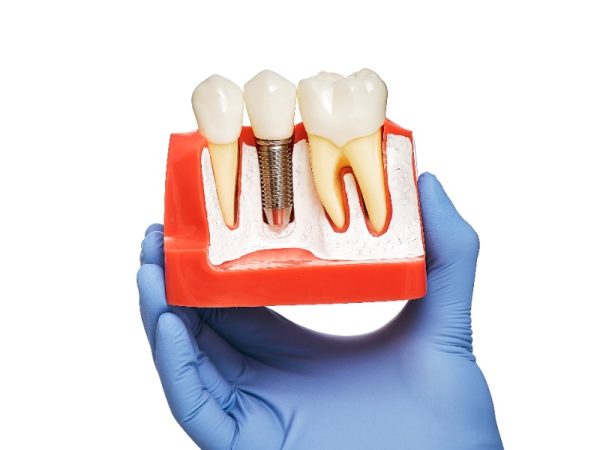
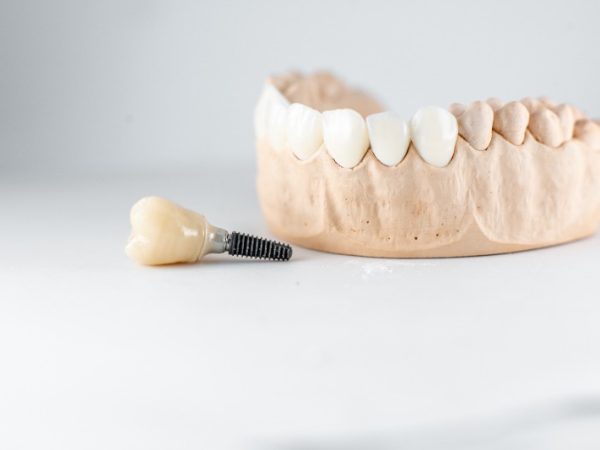
If your dentist has recommended a dental crown, you may be wondering whether it’s really necessary and what benefits it provides. A dental crown is one of the most common restorative treatments used to strengthen and protect teeth that have been weakened by decay, fractures, large fillings, or root canal treatment. Dental crowns are designed to restore both function and appearance while helping preserve natural teeth whenever possible.
For a complete overview of what dental crowns are and how they are made, read this article:
What Are the Signs You May Need a Dental Crown?
Not every damaged tooth requires a crown, but certain situations make crowns one of the most predictable long-term solutions.
Your dentist may recommend a crown if you have:
- A cracked or fractured tooth
- A tooth with a very large filling
- Significant tooth wear from grinding or clenching
- A tooth that has undergone root canal treatment
- A weakened tooth after extensive decay
- A misshapen or severely discolored tooth affecting your smile
In many of these cases, a filling alone may not provide enough strength to withstand everyday chewing forces. A crown helps protect the remaining tooth structure and reduces the risk of future fractures.
Why Dentists Often Recommend a Crown Instead of a Filling
Many patients assume a filling is always the simpler and less expensive option. However, when too much tooth structure has been lost, repeatedly replacing larger fillings can eventually lead to more extensive treatment.
A dental crown covers the entire visible portion of the tooth, helping distribute biting forces more evenly and providing additional support. This can improve both durability and long-term predictability.
Think of it this way: a filling repairs part of a tooth, while a crown reinforces the entire tooth.
How Long Do Dental Crowns Last?
One of the most common questions patients ask is how long a crown will last.
While lifespan varies depending on oral hygiene, bite forces, and the material used, many crowns can last 10–15 years or longer with proper care. Some patients keep their crowns for decades.
To maximize the lifespan of a crown:
- Brush twice daily
- Floss around the crown regularly
- Attend routine dental checkups
- Avoid using teeth to open packages
- Consider a night guard if you grind your teeth
Good maintenance helps protect both the crown and the natural tooth underneath.
Are There Alternatives to a Dental Crown?
Depending on the condition of the tooth, alternatives may include:
Dental Fillings
Suitable when enough healthy tooth structure remains.
Dental Onlays
Sometimes called “partial crowns,” onlays can restore larger areas while preserving more natural tooth structure.
Veneers
Used primarily for cosmetic improvements on front teeth rather than structural reinforcement.
Tooth Extraction and Replacement
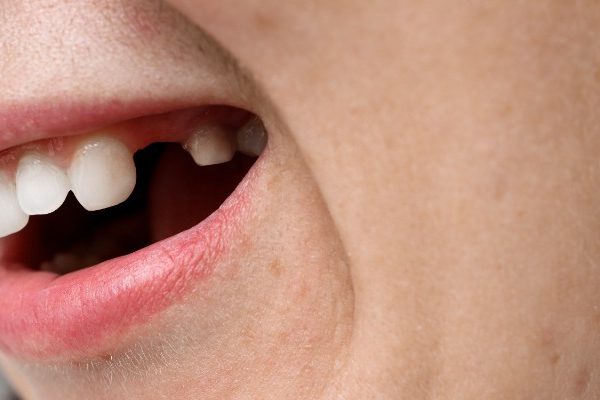
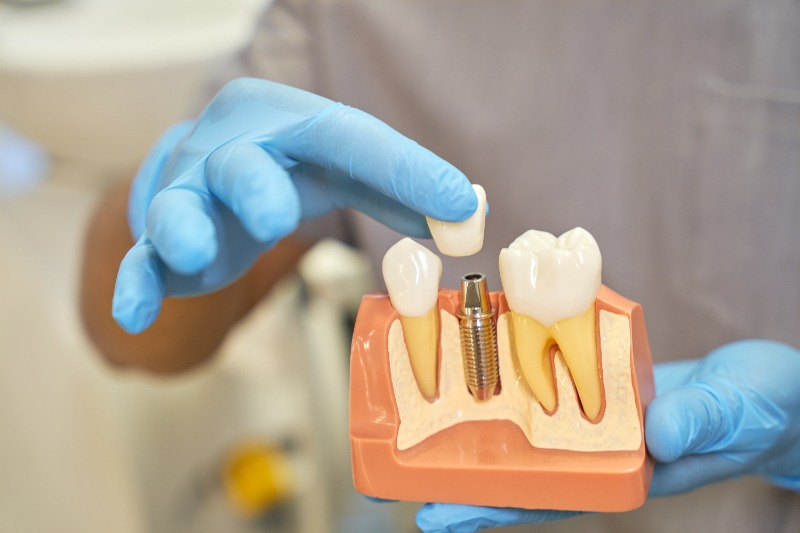
In cases where a tooth cannot be saved, options such as dental implants or bridges may be discussed.
Your dentist will evaluate factors such as remaining tooth structure, bite forces, aesthetics, and long-term prognosis before recommending the best treatment.
What Can You Expect During the Crown Process?
Most dental crowns are completed over two appointments.
During the first visit:
- The tooth is prepared and reshaped
- Impressions or digital scans are taken
- A temporary crown is placed
During the second visit:
- The temporary crown is removed
- The permanent crown is checked for fit and appearance
- The crown is bonded or cemented into place
Many modern dental clinics now use digital scanning technology to improve comfort and accuracy during treatment.
The Goal of a Crown Is to Save the Tooth
Whenever possible, dentists aim to preserve natural teeth. A dental crown is often recommended not because a tooth is beyond repair, but because it still has enough healthy structure remaining to be saved.
By restoring strength, protecting weakened areas, and improving function, crowns can help patients continue using their natural teeth comfortably for many years.
If you’ve recently been told you need a dental crown and would like a professional assessment, the team at English Bay Dental Group can help determine the most appropriate treatment option for your specific situation.
Learn More About Dental Crowns
For a detailed overview of dental crown materials, procedures, and benefits, read:
For personalized dental care and treatment recommendations, visit:
On this page:
- Dental Crown: Signs, Benefits, and What to Expect
- What Are the Signs You May Need a Dental Crown?
- Why Dentists Often Recommend a Crown Instead of a Filling
- How Long Do Dental Crowns Last?
- Are There Alternatives to a Dental Crown?
- What Can You Expect During the Crown Process?
- The Goal of a Crown Is to Save the Tooth
- Learn More About Dental Crowns