

Early Signs of Gum Disease: Why Waiting Can Cost You Your Smile
Most people expect dental problems to hurt.
A cavity causes pain. A cracked tooth feels sensitive. But gum disease often develops silently, making it one of the easiest oral health conditions to overlook.
If you’ve noticed your gums bleeding when you brush or floss, persistent bad breath, or gums that seem to be pulling away from your teeth, your mouth may be trying to tell you something important.
The good news? Gum disease is highly treatable when caught early. The earlier it’s diagnosed, the more likely you are to prevent permanent damage.
What Is Gum Disease?
Gum disease, also known as periodontal disease, is an infection caused by bacteria that accumulate around the gumline.
It usually begins as gingivitis, where the gums become inflamed but the supporting bone remains healthy. Without treatment, gingivitis can progress to periodontitis, where the infection begins damaging the bone and tissues that hold your teeth in place.
Five Early Signs of Gum Disease You Should Never Ignore
1. Bleeding While Brushing or Flossing
Many people believe bleeding gums simply mean they’re brushing too hard.
In reality, healthy gums should not bleed during normal brushing or flossing. Bleeding is often one of the earliest indicators of inflammation caused by plaque bacteria.
2. Red or Swollen Gums
Healthy gums are typically firm and light pink.
If they appear red, puffy, or tender, inflammation may already be developing beneath the surface.
3. Persistent Bad Breath
Bad breath that keeps returning—even after brushing—can be a sign that bacteria are accumulating below the gumline.
Professional cleaning is often necessary to remove these bacteria.
4. Receding Gums
Do your teeth suddenly look longer than they used to?
Receding gums can expose tooth roots, increase sensitivity, and may indicate progressing periodontal disease.
5. Loose Teeth or Changes in Your Bite
As gum disease advances, it can damage the bone supporting your teeth.
This may cause teeth to shift, feel loose, or change how they fit together when you bite. These symptoms should be evaluated promptly.
Why Gum Disease Often Goes Undetected
Unlike a toothache, gum disease rarely causes pain in its early stages.
Because symptoms develop gradually, many patients don’t realize they have a problem until bone loss has already begun.
Routine dental examinations allow dentists to measure gum health, identify periodontal pockets, and detect issues long before they become serious.
Can Gum Disease Be Reversed?
If diagnosed during the gingivitis stage, yes.
Professional dental cleanings combined with improved brushing and daily flossing can often restore gum health completely.
Once gum disease progresses into periodontitis, the damage cannot usually be fully reversed, but it can often be successfully managed with periodontal treatment and ongoing maintenance.
How to Reduce Your Risk of Gum Disease
Keeping your gums healthy starts with consistent daily habits.
Dentists recommend:
- Brush twice daily using fluoride toothpaste.
- Floss or clean between your teeth every day.
- Attend regular dental examinations and professional cleanings.
- Avoid smoking or tobacco products.
- Address bleeding gums early rather than waiting for discomfort.
When Should You Schedule a Dental Visit?
Book an appointment if you notice:
- Bleeding gums
- Swollen or tender gums
- Persistent bad breath
- Gum recession
- Loose teeth
- Pain when chewing
- Teeth that appear longer than before
Even mild symptoms deserve attention because early treatment is far simpler than treating advanced periodontal disease.
Looking for Gum Disease Treatment in Richmond?
If you’re experiencing signs of gum disease, an early evaluation can help protect both your smile and your long-term oral health.
At Lansdowne Dental Centre, Dr. Tang and the team provide comprehensive gum health assessments, professional cleanings, and personalized periodontal care to help patients detect and treat gum disease before it progresses.
For more expert insights from Dr. Tang, read : Watch for these signs of gum disease
If you’re looking for a trusted dentist in Richmond, visit Lansdowne Dental Centre to schedule an appointment and keep your gums healthy for years to come.
Frequently Asked Questions
Are bleeding gums normal?
No. Healthy gums generally should not bleed during brushing or flossing. Persistent bleeding is often an early sign of gum inflammation and should be evaluated by a dentist.
Can gum disease cause bad breath?
Yes. Bacteria trapped below the gumline can produce persistent bad breath that brushing alone cannot eliminate.
Is gum disease painful?
Not always. In fact, many people experience little or no pain during the early stages, which is why regular dental checkups are so important.
Can brushing alone cure gum disease?
Brushing is essential, but once plaque hardens into tartar below the gumline, professional dental cleaning is needed to remove it effectively.
How often should I have my gums checked?
Most people benefit from dental examinations and professional cleanings every six months, although some patients with a history of gum disease may require more frequent periodontal maintenance for long-lasting, natural-looking results.
On this page:
- Early Signs of Gum Disease: Why Waiting Can Cost You Your Smile
- What Is Gum Disease?
- Five Early Signs of Gum Disease You Should Never Ignore
- Why Gum Disease Often Goes Undetected
- Can Gum Disease Be Reversed?
- How to Reduce Your Risk of Gum Disease
- When Should You Schedule a Dental Visit?
- Looking for Gum Disease Treatment in Richmond?
- Frequently Asked Questions
You may also be interested in…
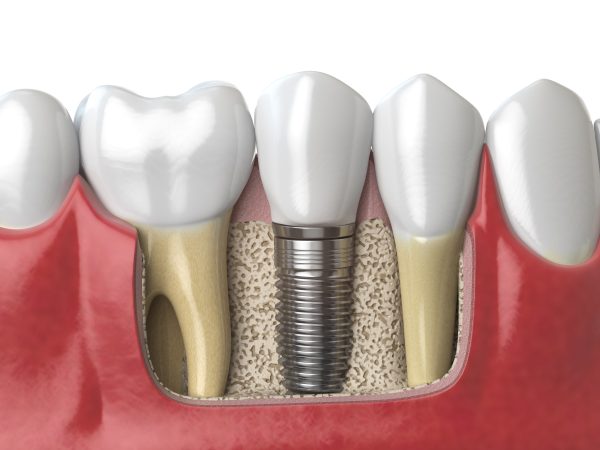
Dental Implant vs Bridge
4 minute read

How Long Does Invisalign Take?
3 minute read

Veneers vs. Crowns
4 minute read