Do You Need a Root Canal? Here’s How to Tell
Many people assume they’ll know immediately if they need a root canal because they’ll experience unbearable pain. Surprisingly, that’s not always the case.
While severe toothaches are one possible sign, some infected teeth cause only mild discomfort—or no pain at all until the infection has progressed. Recognizing the warning signs early can help save your natural tooth and prevent more extensive treatment later.
If you’ve already been told you need a root canal and want to know what happens during the procedure, read our detailed guide: Root Canal Treatment in Vancouver — What to Expect with Dr. Cole Wedman at Georgia Dental Group.
What Is a Root Canal?
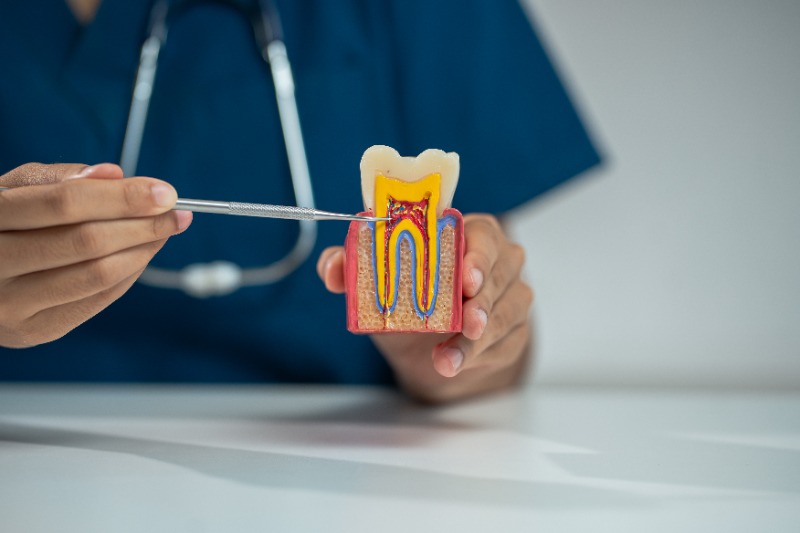
A root canal is a treatment used to remove infected or inflamed tissue from inside a tooth. The inside of the tooth is carefully cleaned and disinfected before being sealed to prevent future infection. In many cases, a dental crown is then placed to strengthen and protect the tooth.
Modern root canal treatment is designed to relieve pain by eliminating the source of infection while preserving your natural tooth whenever possible.
8 Signs You May Need a Root Canal
1. Persistent Tooth Pain
Pain that doesn’t go away is one of the most common signs that something is wrong.
The discomfort may be:
- Constant
- Throbbing
- Sharp when chewing
- Worse at night
Not every toothache requires a root canal, but ongoing pain should never be ignored.
2. Lingering Sensitivity to Hot or Cold
If your tooth continues hurting for several seconds after drinking coffee or eating ice cream, the nerve inside the tooth may be inflamed.
Brief sensitivity is common.
Lingering sensitivity often deserves further evaluation.
3. Pain When Biting or Chewing
Pain while chewing may indicate:
- Deep tooth decay
- An infected nerve
- A cracked tooth
- Inflammation around the root
The sooner it’s assessed, the more likely the tooth can be saved.
4. Swollen or Tender Gums
A tooth infection doesn’t always stay inside the tooth.
You may notice:
- Swollen gums
- Tenderness
- A small bump on the gum (abscess)
- Drainage or a bad taste
These symptoms should be examined promptly by a dentist.
5. Tooth Discoloration
A tooth that turns darker than the surrounding teeth may indicate that the nerve inside has been damaged.
This can occur after trauma, deep decay, or reduced blood supply to the tooth.
6. A Chipped or Cracked Tooth
Cracks allow bacteria to enter the inner part of the tooth.
Even if there’s little or no pain initially, bacteria can slowly infect the pulp over time.
7. A Deep Cavity
Cavities don’t stop growing on their own.
Once decay reaches the pulp, a simple filling may no longer be enough, and root canal treatment may be necessary to save the tooth.
8. A Tooth That Suddenly Stops Hurting
Many people think this means the problem has resolved.
In reality, it can mean the nerve has died while the infection continues spreading silently.
A disappearing toothache should still be checked by your dentist.
What Causes a Tooth to Need a Root Canal?
Common causes include:
- Deep cavities
- Cracked or broken teeth
- Dental trauma
- Large existing fillings
- Repeated dental work on the same tooth
- Untreated infections
Routine dental exams help identify these problems before they become more serious.
Can a Root Canal Be Prevented?
Sometimes.
Treating cavities early, repairing cracked teeth, wearing a mouthguard during sports, and attending regular dental checkups can often prevent infection from reaching the pulp.
Good oral hygiene and early intervention remain the best ways to reduce the risk of needing root canal treatment.
When Should You See a Dentist?
Book an appointment if you experience:
- Tooth pain lasting more than one or two days
- Pain while chewing
- Persistent sensitivity to hot or cold
- Swollen gums
- Tooth discoloration
- A pimple-like bump on the gums
- Facial swelling
- Difficulty sleeping because of tooth pain
Early diagnosis often means simpler treatment and a better chance of preserving your natural tooth.
Root Canal Treatment in Vancouver
If you’re experiencing any of these symptoms, seeking prompt dental care can help prevent complications and preserve your natural smile.
The experienced team at Georgia Dental Group in downtown Vancouver provides comprehensive diagnosis and treatment for infected teeth, using modern techniques focused on patient comfort and long-term oral health.
Frequently Asked Questions
Does every toothache mean I need a root canal?
No. Tooth pain can result from cavities, gum disease, cracked teeth, tooth sensitivity, or other dental conditions. A dental examination and X-rays are needed to determine the cause.
Is a root canal painful?
Modern root canal treatment is performed using local anesthesia. Most patients report that the procedure feels similar to having a routine dental filling.
Can a root canal save my natural tooth?
Yes. The primary goal of root canal treatment is to remove infection while preserving your natural tooth whenever possible.
Will I need a crown afterward?
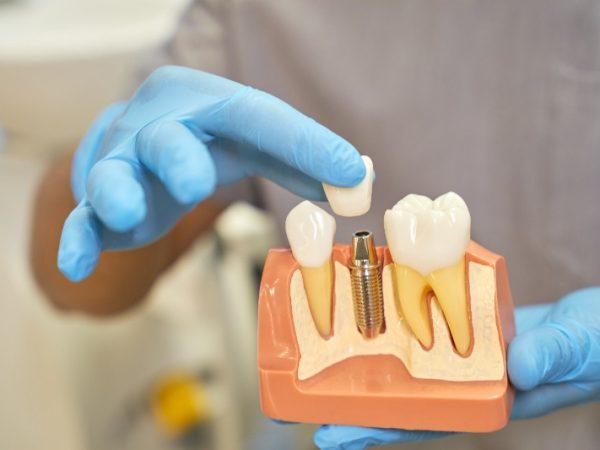
In many cases, yes. Teeth that have undergone root canal treatment—especially molars—often benefit from a dental crown to restore strength and reduce the risk of fracture.
What happens if I delay treatment?
Delaying treatment may allow the infection to spread deeper into the tooth and surrounding bone, increasing the risk of pain, swelling, abscess formation, and eventual tooth loss.
Learn More About Root Canal Treatment
Wondering what actually happens during a root canal appointment?
Read our detailed article:
Root Canal Treatment in Vancouver — What to Expect with Dr. Cole Wedman at Georgia Dental Group
To learn more about the dental services available or to book an appointment, visit Georgia Dental Group:
https://www.georgiadentalgroup.ca
On this page:
- Do You Need a Root Canal? Here's How to Tell
- 1. Persistent Tooth Pain
- 2. Lingering Sensitivity to Hot or Cold
- 3. Pain When Biting or Chewing
- 4. Swollen or Tender Gums
- 5. Tooth Discoloration
- 6. A Chipped or Cracked Tooth
- 7. A Deep Cavity
- 8. A Tooth That Suddenly Stops Hurting
- Does every toothache mean I need a root canal?
- Is a root canal painful?
- Can a root canal save my natural tooth?
- Will I need a crown afterward?
- What happens if I delay treatment?