
X-Rays (Digital)
Digital X-rays give us the full picture.
What’s going on inside a tooth isn’t always visible – and it doesn’t always hurt. Issues like decay, infection, or bone loss can quietly grow without any warning signs. Catching them early makes all the difference.
Digital X-rays are quick and easy to perform. They expose you to far less radiation than older film-based methods and deliver sharp, detailed images right away. It’s a straightforward tool that does a lot of heavy lifting for your oral health.

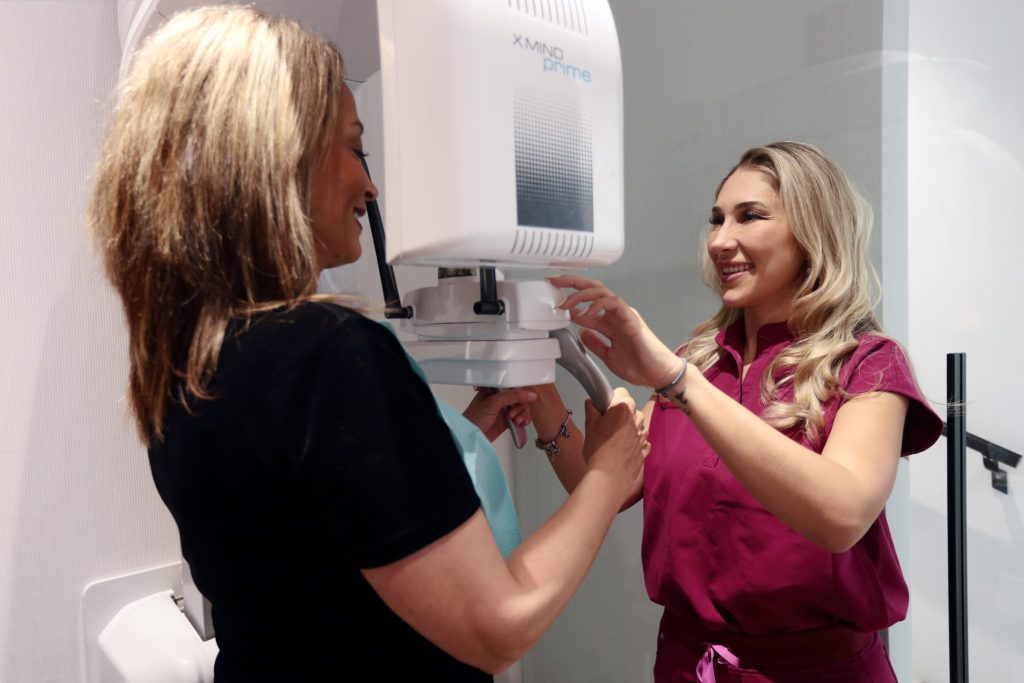
Some things don’t show up until we look closer.
A lot can be hiding below the surface – between teeth, under existing fillings, or deep near the roots. Digital X-rays allow your provider to see what the naked eye simply can’t, so problems can be addressed before they grow into something more serious.
Rather than film, a small sensor is used to capture the scan in seconds. The image shows up on screen immediately. Your dentist can then zoom in, point out what they’re seeing, and explain what comes next.
An X-ray may be recommended if:
• It’s your first appointment at a clinic
• You’re experiencing pain or something feels unusual
• You’ve had an injury to your mouth or jaw
• You’re preparing for a procedure such as a filling or extraction
Every case is unique. When an X-ray will help your provider give you better care, they’ll say so – and take the time to explain why it makes sense.
It’s over before you know it.
No preparation needed. No downtime afterward. The sensor is placed, you stay still for a moment, and it’s done.
Here’s what the process usually looks like:
• Your provider explains whether an X-ray is needed and why
• A small sensor is positioned inside your mouth
• The scanner captures the image from the outside
• The image appears on screen right away
• Your provider reviews it with you and discusses what it shows
It fits naturally into your appointment. Fast, comfortable, and part of your ongoing care.
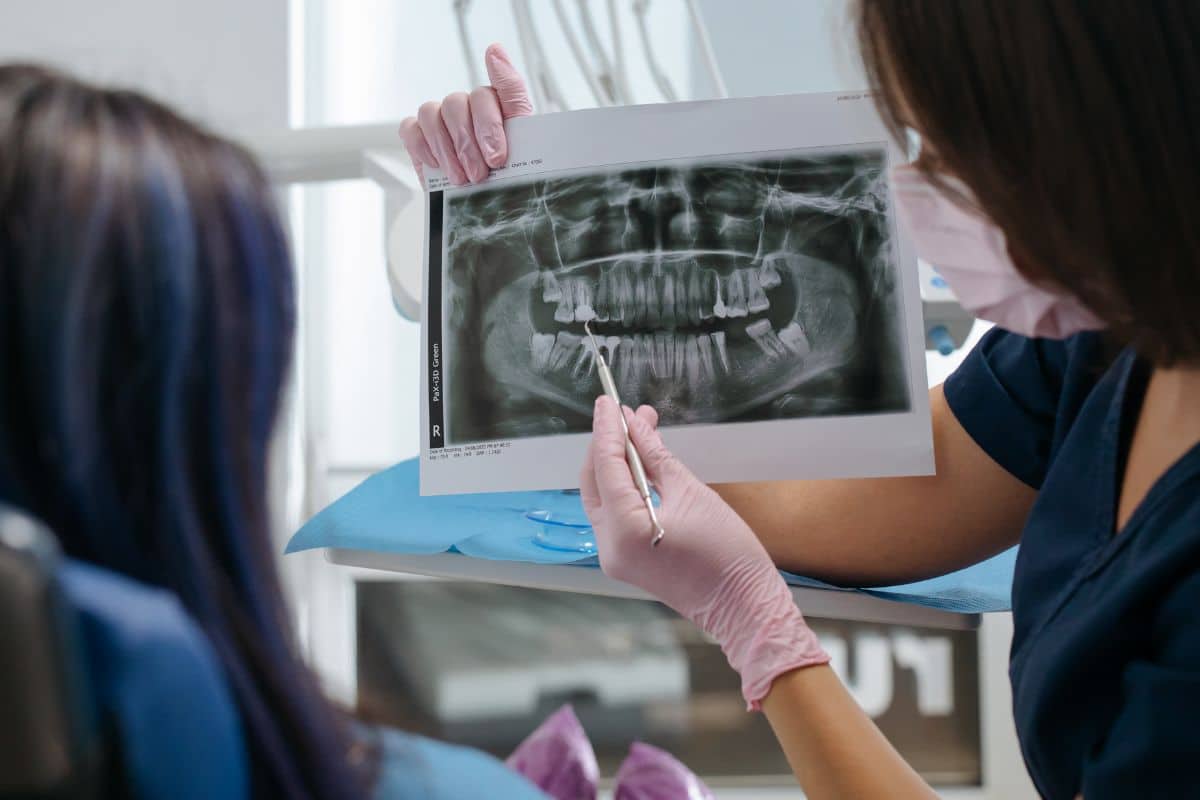

Your digital X-ray questions, answered.
When something’s wrong, a clear view helps.
You don’t have to be in pain to benefit from a scan. A digital X-ray gives your dentist the insight they need – and gives you confidence that nothing is being missed.