
X-Rays (Analog)
The problem might be hidden, but the right X-ray brings it to light.
Your teeth may feel perfectly fine. Nothing seems out of place. But beneath the surface, things could be developing – a cavity forming between back teeth, early bone loss, or the beginnings of an infection you’d never spot in the mirror.
That’s where X-rays come in. They allow your dentist to look beyond what’s visible to the eye – catching issues early, before they grow into something far more serious.
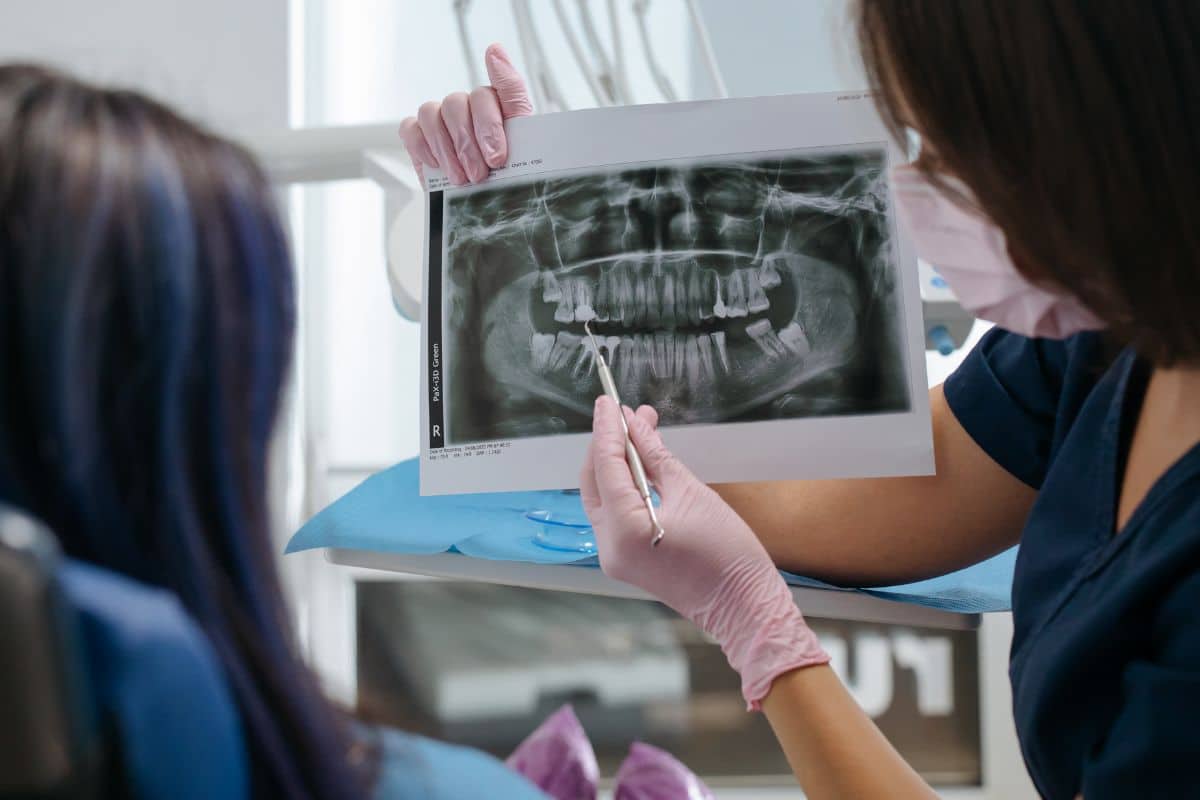

The right scan at the right moment can prevent a lot of trouble down the road.
Film-based dental X-rays – commonly called analog – have been a trusted part of dentistry for many years. They may not process as quickly as digital imaging, but they still provide a clear, dependable way to detect what the naked eye simply cannot see.
Some clinics continue to rely on analog imaging as their standard option – whether for everyday care or more targeted diagnostic work. The purpose remains the same: gain a clearer picture so treatment can be as accurate as possible.
You might need analog X-rays if:
• It has been a while since your last visit and a thorough assessment is overdue
• You are experiencing unexplained pain, swelling, or sensitivity
• Your provider needs to look beneath crowns, fillings, or deep into the jaw
• There is concern about infection, bone loss, or concealed decay
• Digital imaging is not the most suitable option for your specific situation
It is not about doing more for the sake of it – it is about understanding what is actually there so your provider can treat it the right way.
Fast, straightforward, and done before you know it.
No preparation is needed. You will sit comfortably while your provider walks you through what they are capturing and why. Most scans are completed in just a few minutes from beginning to end.
Here is what to expect:
• You will be given a lead apron to wear for protection
• A small piece of film is carefully placed inside your mouth
• A quick image is taken using a sensor held outside the cheek or jaw
• The film is developed and reviewed shortly afterward
• Your dentist will discuss the findings and address any questions you have
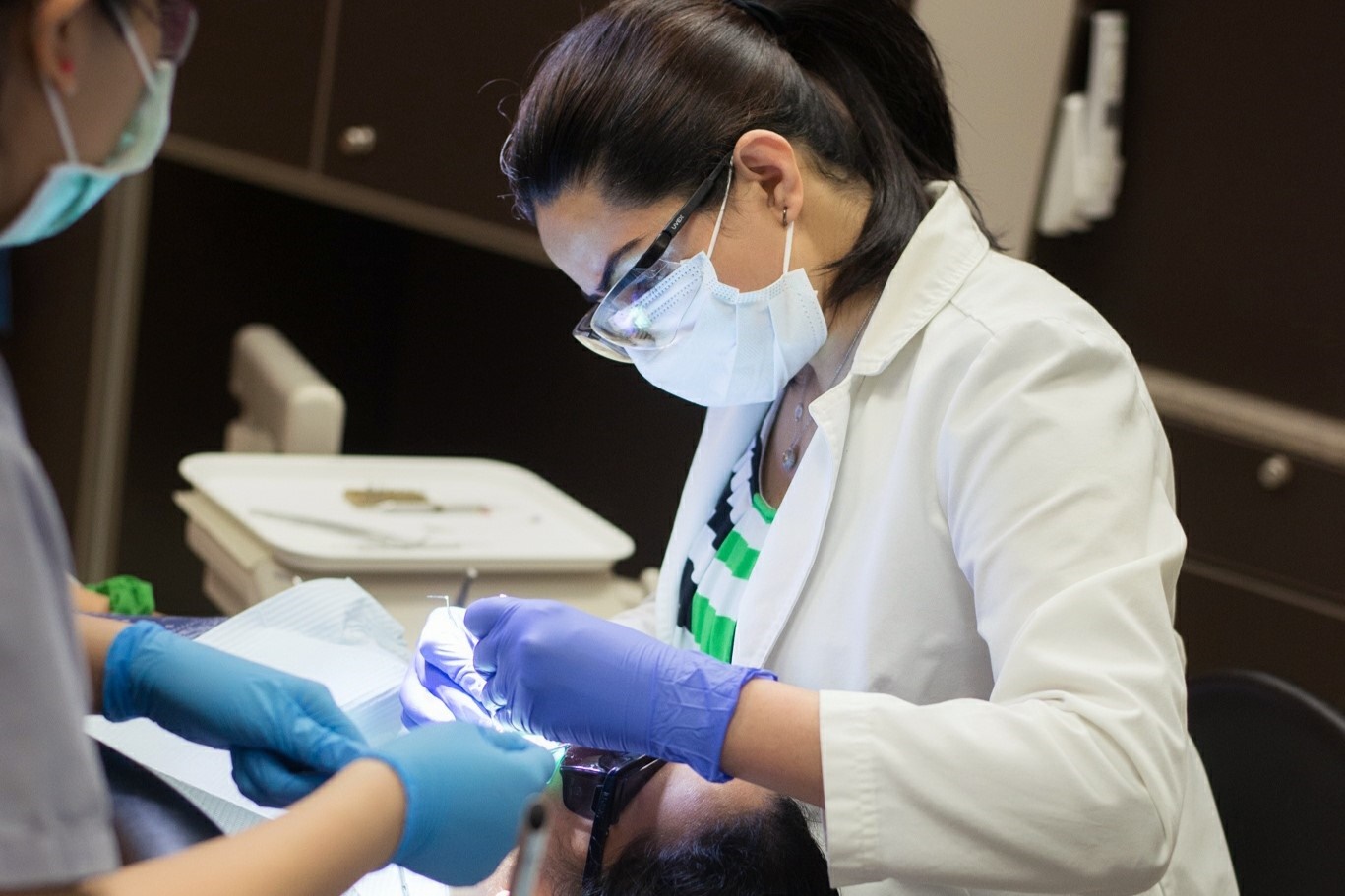
Depending on what your dentist needs to examine, a few images may be taken from different angles – but the whole process is simple, safe, and nothing to worry about.

Your dental questions, answered.
The more your provider can see, the better they can care for you.
Even a single X-ray can shift the direction of your care – uncovering what was hidden, confirming a suspicion, or simply giving you peace of mind.
If it has been a while since your last visit, this one straightforward step could make a real difference.