
Dental Bridges
Dental bridges help bring things back to normal—one tooth at a time.
A missing tooth has a way of making itself known throughout your day – at mealtimes, in conversation, and every time you glance in the mirror. It is more than a cosmetic concern. It affects how you feel. A dental bridge fills that empty space with something that looks and functions just like the real thing, helping you get back to feeling like yourself.
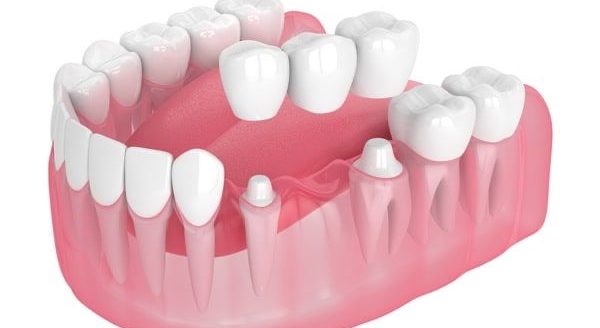
What is a dental bridge, really?
Picture it as a link between two points. A dental bridge uses a lifelike artificial tooth to fill the gap left by a missing one, securing it to the surrounding teeth or to implants on either side. It is shaped and tinted to blend in with the rest of your smile. Before long, it settles in so naturally that most people stop noticing it is there at all.
People choose bridges for many different reasons – they want to avoid surgery, they prefer a fixed solution, or they simply want to eat, talk, and smile without a second thought.
Bridges can:
• Restore a natural feel when chewing and speaking
• Prevent surrounding teeth from shifting out of position
• Restore proper balance to your bite
• Help maintain healthy jaw alignment
• Improve your confidence in daily life
The real benefit? Getting comfortable again – and not having to think twice about your smile.
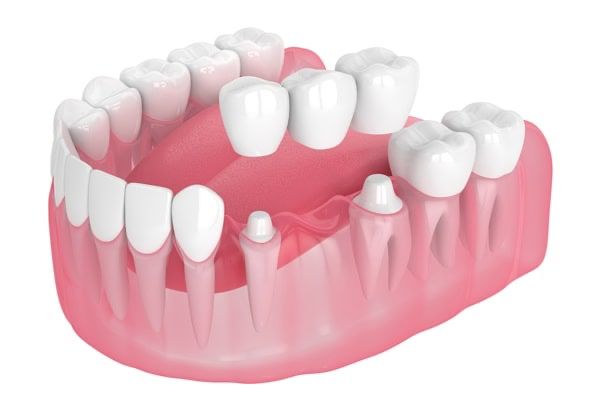
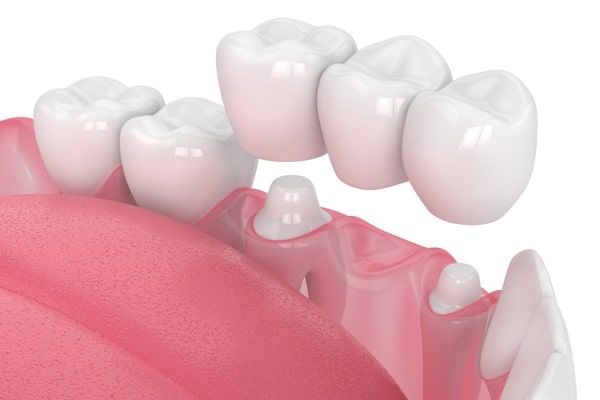
Getting a bridge: what it involves.
To start, your dentist will examine the area, ask a few questions, and go over your options with you. If a bridge is the right fit, they will take impressions of your teeth and prepare the ones that will hold it in place. A temporary bridge is usually placed while your custom restoration is being crafted.
Once your permanent bridge is finished, it gets adjusted for fit, polished, and bonded into place. There is no lengthy recovery period and no complicated aftercare.
Types of bridges your dentist might recommend:
• Traditional: supported by crowns on either side
• Cantilever: anchored to just one neighbouring tooth
• Maryland: bonded to the backs of adjacent teeth
• Implant-supported: a strong option when several teeth are missing
• Temporary composite: commonly used as a short-term solution
No two smiles are the same – your dentist will guide you toward the option that suits your situation best.

Your dental questions, answered.
Want to close the gap with something that feels natural?
Nobody is required to do anything about a missing tooth. But if it has been on your mind – even just occasionally – there is real comfort in taking that step. A bridge offers a straightforward, reliable way to fill the space and move forward.