
Crowns
When a tooth needs backup, a crown can step in.
Teeth rarely give out all at once. Sometimes it’s a hairline crack you hardly feel, an edge that’s slowly worn away, or a filling that’s been replaced one too many times. No matter the cause, a crown gives that tooth a real chance to recover – by covering it completely and letting it function properly again.
The goal isn’t perfection. It’s about holding onto what you have, shielding it from further harm, and keeping your bite feeling strong and stable.
Crowns are there to protect, not replace.
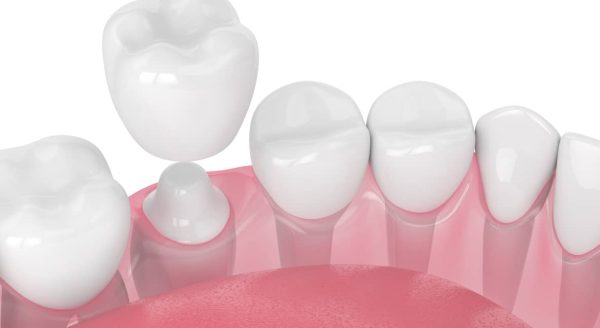
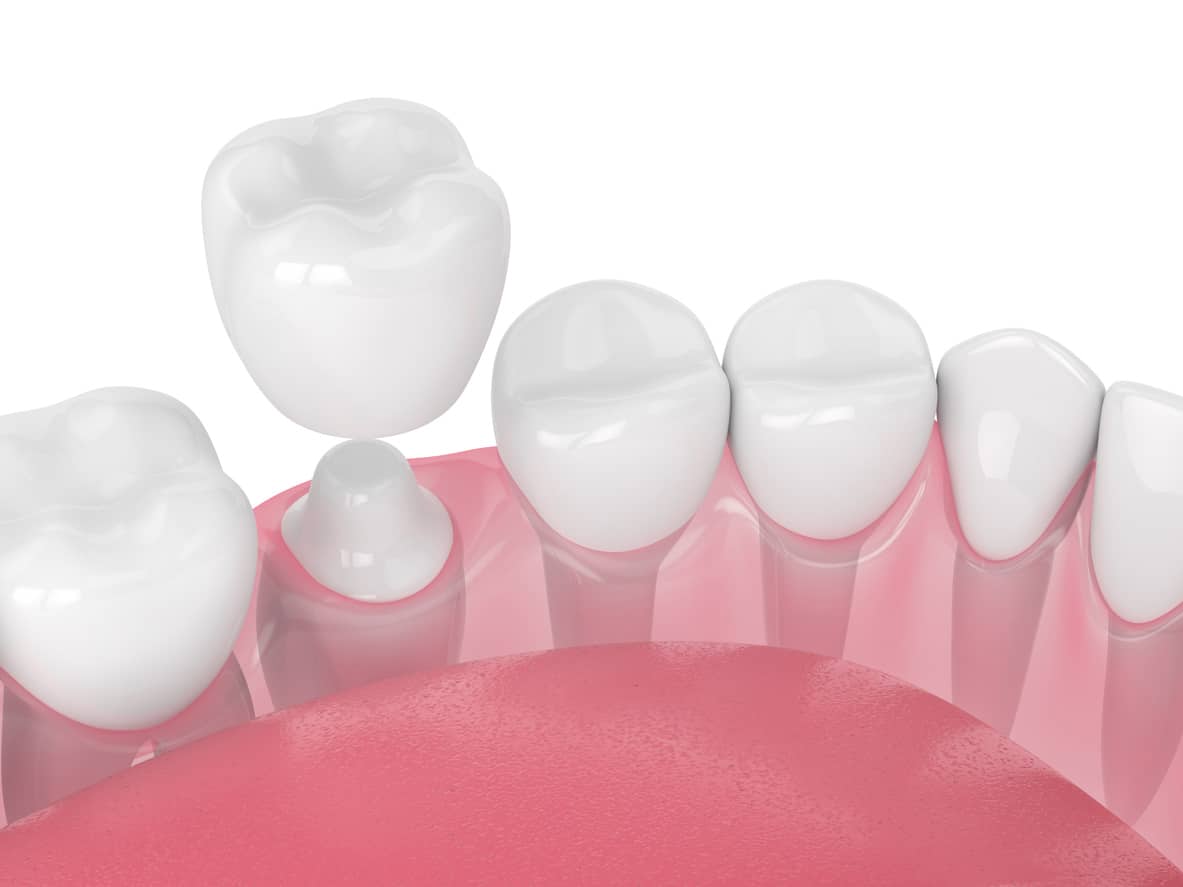
A crown is a precisely fitted cap that goes over a tooth that’s been weakened, cracked, or can no longer hold up on its own. It surrounds the visible portion of the tooth, seals it in place, and lets you use it comfortably once again.
Your dentist may recommend a crown if:
• The tooth has cracked or broken
• A root canal has been completed
• An older filling is beginning to fail
• An implant needs a visible tooth placed on top
• Your bite needs to be brought back into alignment
It’s a straightforward way to head off bigger problems down the road – and to give a struggling tooth the strength it needs to keep going.
A small fix that makes a big difference.
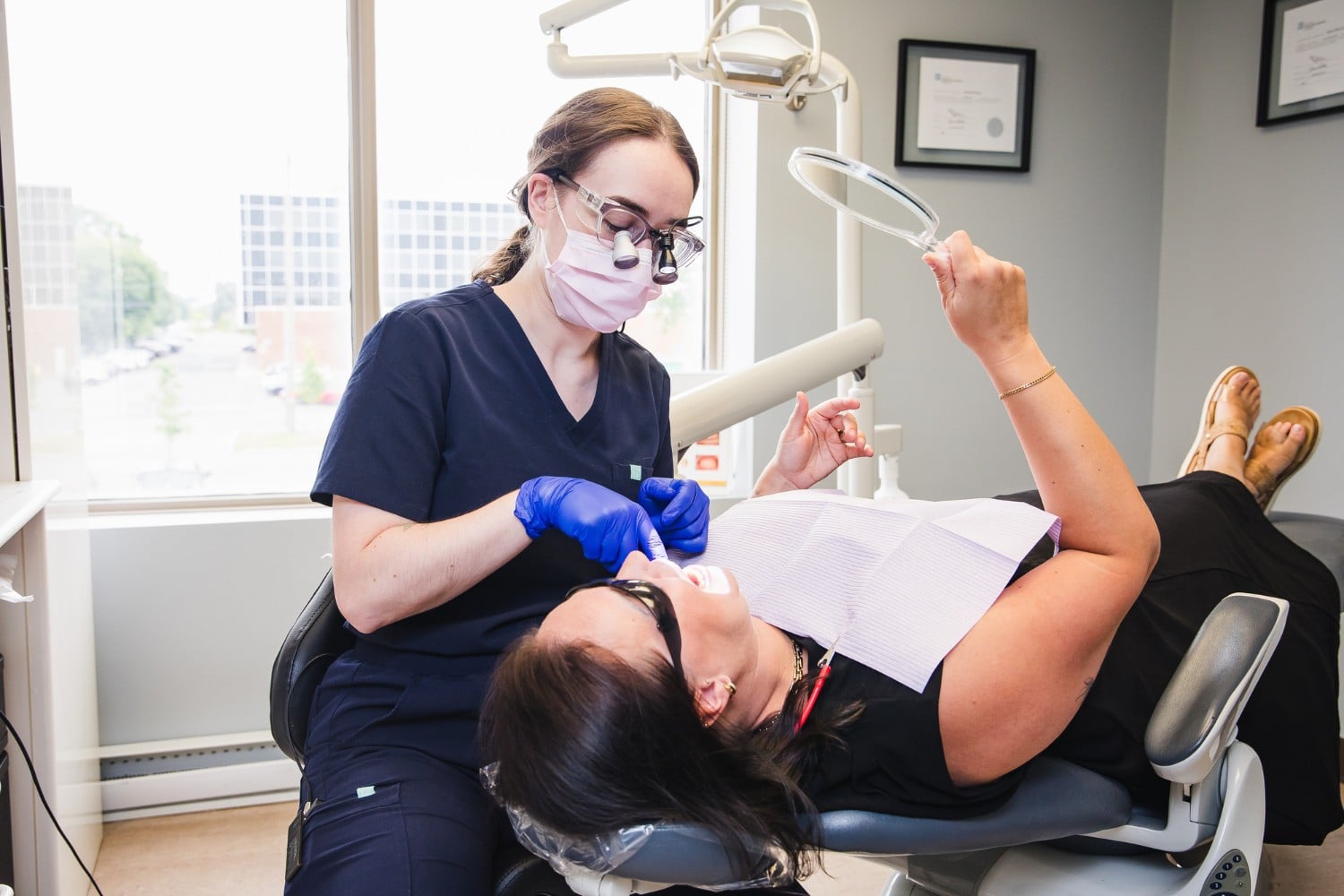
Most crown placements require two visits. At the first, your dentist prepares the tooth, takes an impression or digital scan, and fits a temporary crown. A few weeks later, you return for the permanent restoration.
The process generally involves:
• Local freezing to keep you comfortable throughout
• Scans or molds to ensure a proper fit
• A temporary crown while the final one is being made
• A follow-up appointment to place the permanent crown
Crowns can be crafted from porcelain, metal, zirconia, or a combination of materials – and your dentist will help you choose the right option based on your bite, appearance, and comfort level.
Your crowns questions, answered.
A crown can help you keep the tooth – and the confidence that comes with it.
If one tooth is starting to fall behind the rest, a crown may be all it takes to get your smile back on track.