
Oral Radiology
Oral radiology in Canada helps dentists see what the eye can’t.
Not every dental problem is visible to the naked eye. When something deeper may be going on beneath the surface, your dentist might consult an oral radiologist – a specialist who analyzes the scans and images that a routine exam simply cannot show. These professionals don’t perform cleanings or place fillings. What they do is help dentists look beyond what’s visible – into the jaw, around tooth roots, and throughout the head and neck – so an accurate diagnosis and a clear path forward can be established.
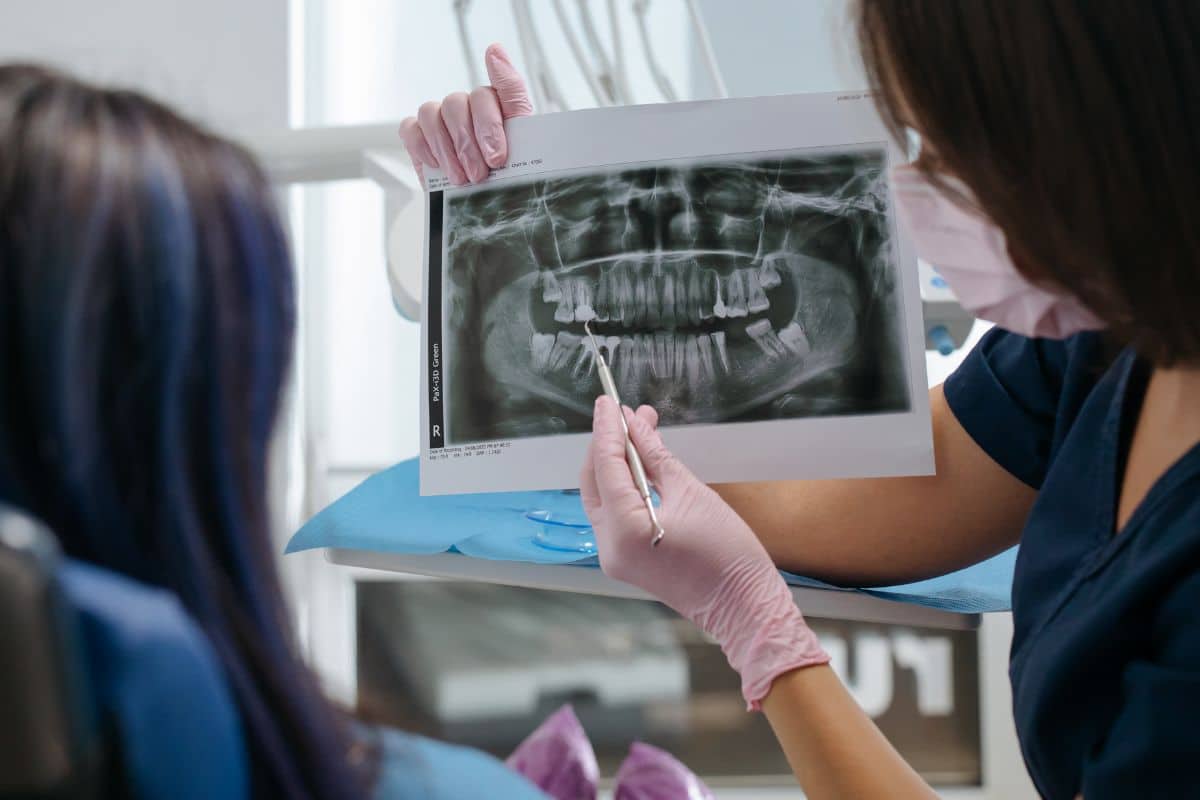
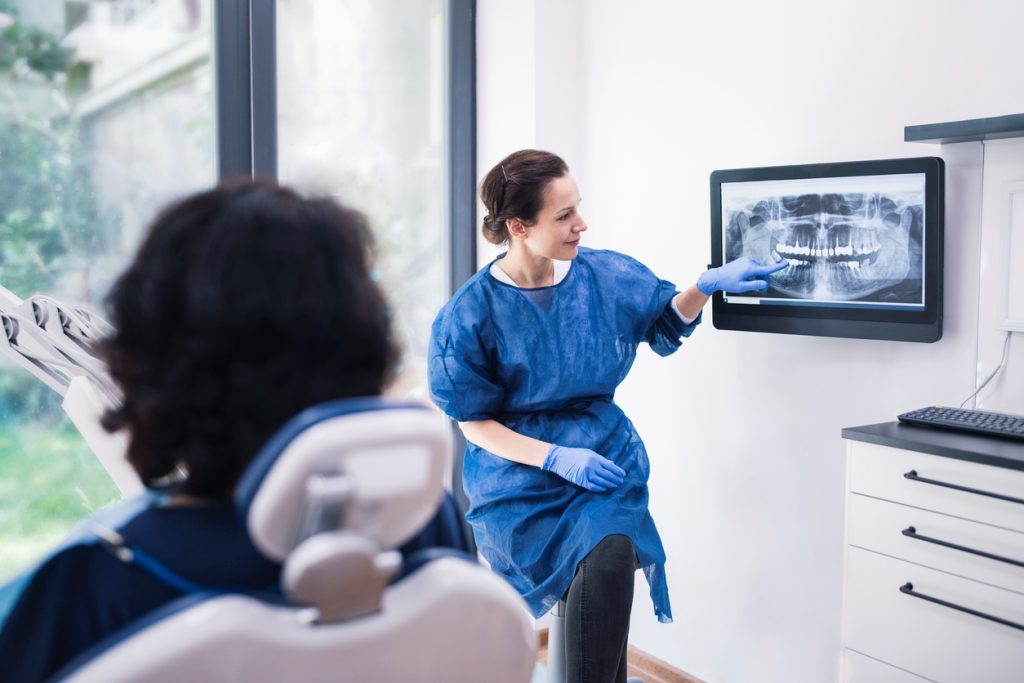
When pictures tell the story.
Oral radiologists focus on interpreting diagnostic images. While general dentists use X-rays as part of everyday practice, these specialists are trained to analyze a broad range of imaging technologies with greater depth and precision, including:
• Cone beam CT scans and conventional CT
• MRI and PET imaging
• Ultrasounds and sialography
• Panoramic, cephalometric, and intraoral X-rays
• 3D reconstructions used in implant or surgical planning
Sometimes the goal is to confirm what a dentist already suspects. Other times, it’s about identifying something that wasn’t on anyone’s radar. In either case, a radiologist’s expertise can significantly shape the outcome.
A closer look, when it’s needed.
You may never meet an oral radiologist in person – but they can still play a meaningful role in your dental care. Here’s a typical look at how the process unfolds:
• Your dentist spots something unusual during an exam or while reviewing a scan
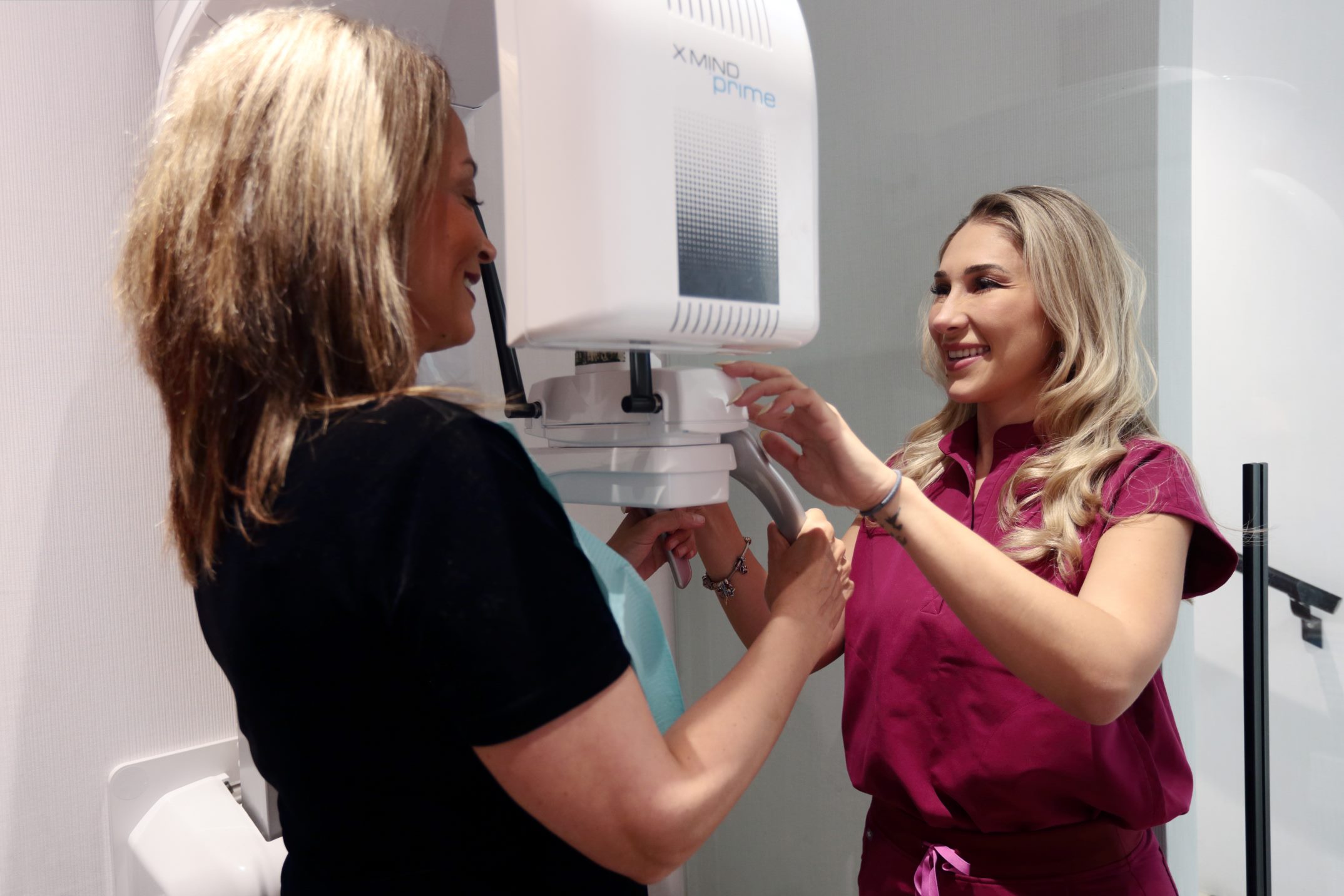
• A radiologist examines the existing images – or captures new ones – to get a clearer picture
• They analyze the findings and prepare a detailed report for your dentist
• Your dentist uses that report to determine the best course of treatment
When advanced imaging is needed, patient safety remains the top priority. Radiologists are trained to apply the lowest effective radiation dose and to recommend imaging only when it is genuinely warranted.

Your dental questions, answered.
Need clearer insight into your dental health?
When your dentist needs a more detailed look at what’s happening below the surface, they may work alongside an oral radiologist through our network. These specialists help bring clarity to what a standard exam cannot show – so you can move forward with confidence.