
Oral Medicine
Oral medicine in Canada bridges the gap between dental and overall medical care.
Not every problem begins with tooth pain. Sometimes it starts with a sore that refuses to heal. A jaw that keeps catching. A strange burning feeling that came out of nowhere. Oral medicine specialists are trained to recognize patterns, ask the right questions, and look beyond the surface – especially when symptoms don’t point to an obvious cause.
Their scope goes well beyond teeth. They care for patients dealing with chronic health conditions, unexplained discomfort, or complicated treatment situations. Their purpose is to bring answers when oral symptoms suggest something more is going on, often working alongside dentists, physicians, and other healthcare providers.
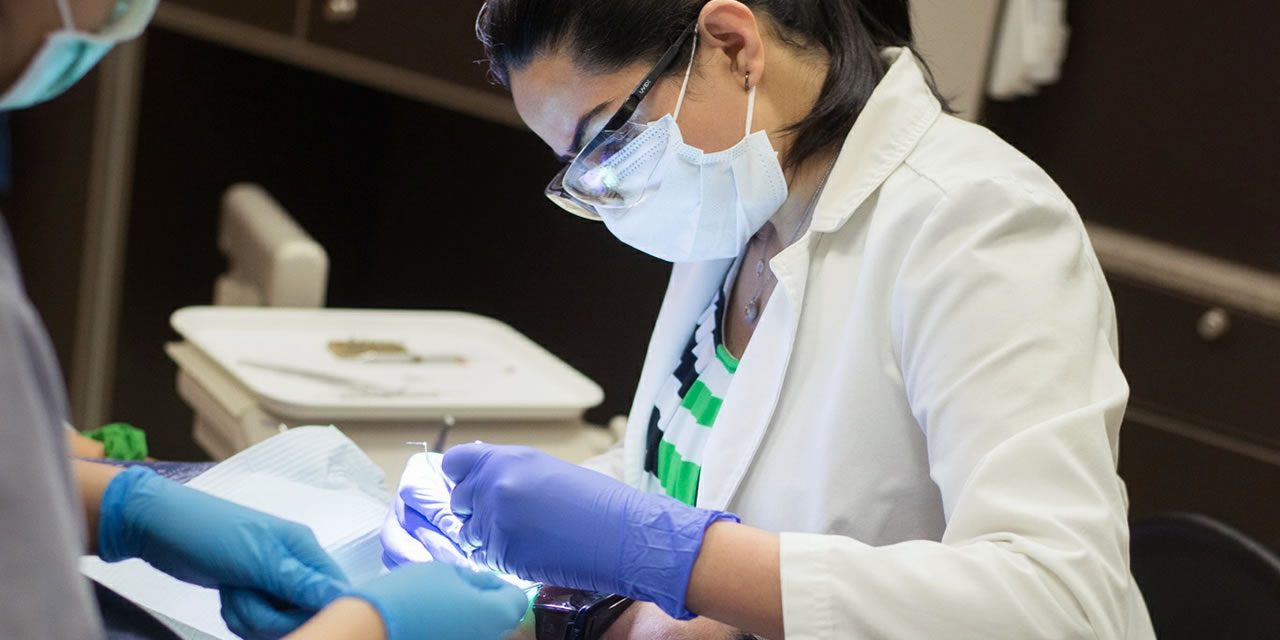

More than dental. It’s medical, too.
Oral medicine is centered on identifying and treating diseases affecting the mouth, face, and jaw that do not require surgical intervention. This includes:
• Persistent ulcers or tissue lesions
• Burning mouth syndrome or chronic dry mouth
• Unexplained pain in the face, head, or jaw
• Oral complications from cancer treatment
• Inflammation or infections linked to systemic conditions
• Tissue reactions caused by medications
These conditions can be difficult to identify – and even harder to cope with day to day. Oral medicine specialists take the time to evaluate the whole picture and develop a plan that supports your long-term health.
A slower pace, a deeper look.
Visits typically involve a thorough health history review, a complete oral examination, and an open discussion about what you have been experiencing. The goal is not simply to relieve a symptom – it’s to understand why it is occurring and how to best address it going forward.
When necessary, your dentist may arrange imaging, laboratory testing, or a biopsy. In many situations, the oral medicine specialist will coordinate directly with your family doctor or other care providers to make sure treatment plans are safe and consistent across the board.


Your dental questions, answered.
When oral symptoms are hard to explain, oral medicine can help put the pieces together.
If something has been going on in your mouth and no one has found an answer yet, it may be time to take a closer look. Oral medicine connects dental and medical care – so you are not left without answers.