
Root Canal Therapy
A painful tooth doesn’t have to mean the end of it.
When a persistent ache refuses to quit, it’s natural to fear the worst. Maybe you’ve been steering clear of hard foods. Maybe the throbbing keeps you up at night. But even when things feel urgent, your tooth may still be worth keeping.
Root canal therapy is built for moments exactly like this. Rather than removing the tooth, it eliminates the infected tissue inside while leaving the healthy structure intact. You hold on to your natural bite. You hold on to your smile. And you walk out feeling better – not worse.
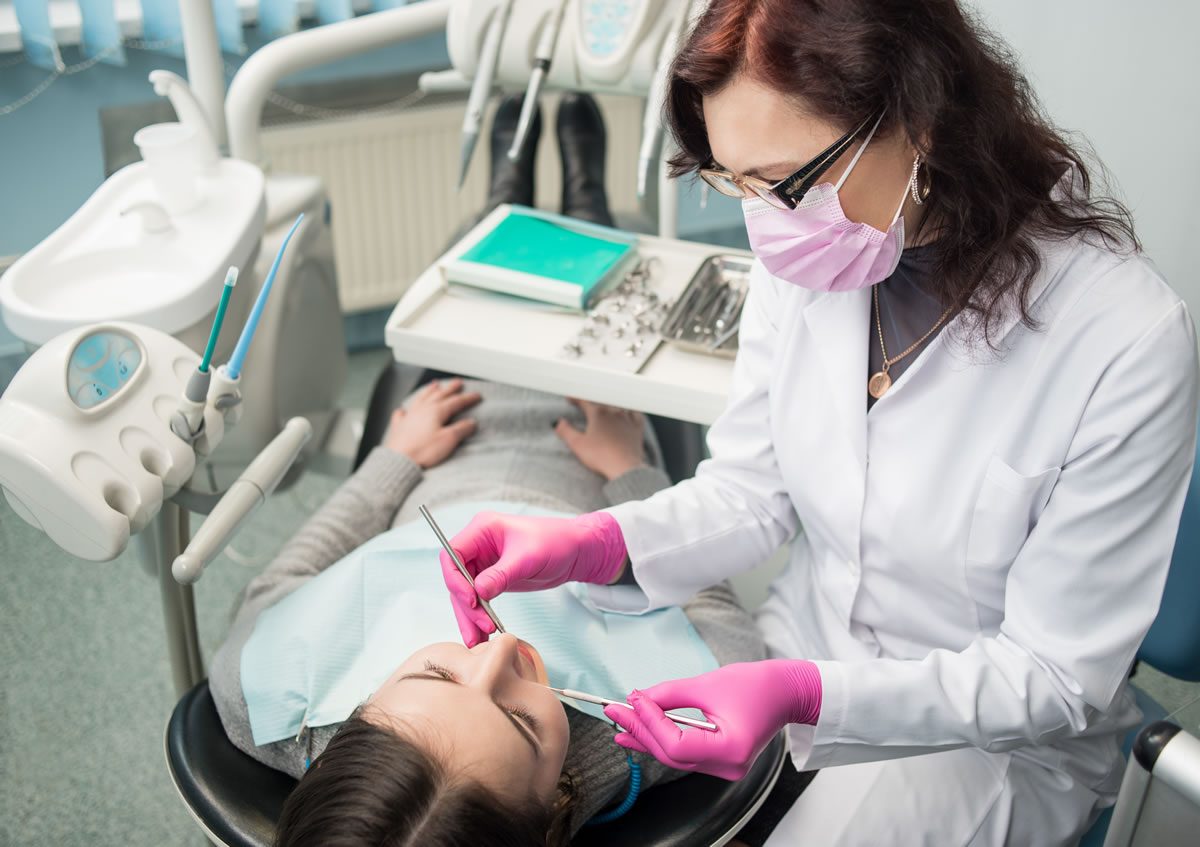
Address the problem – protect what remains.
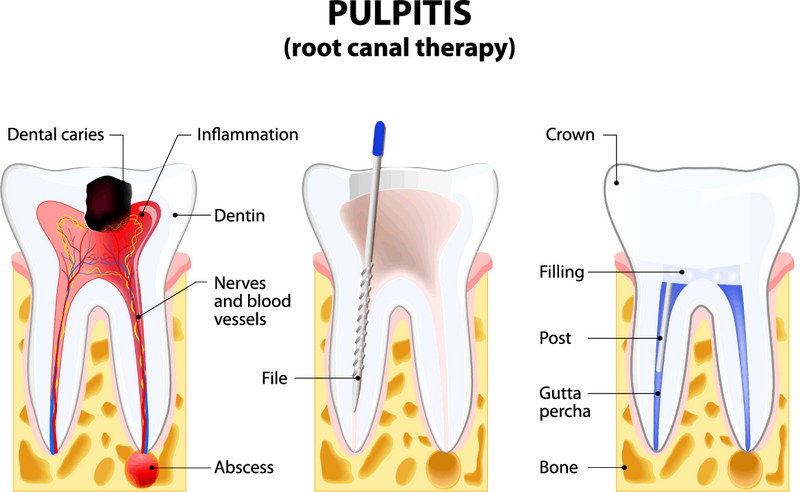
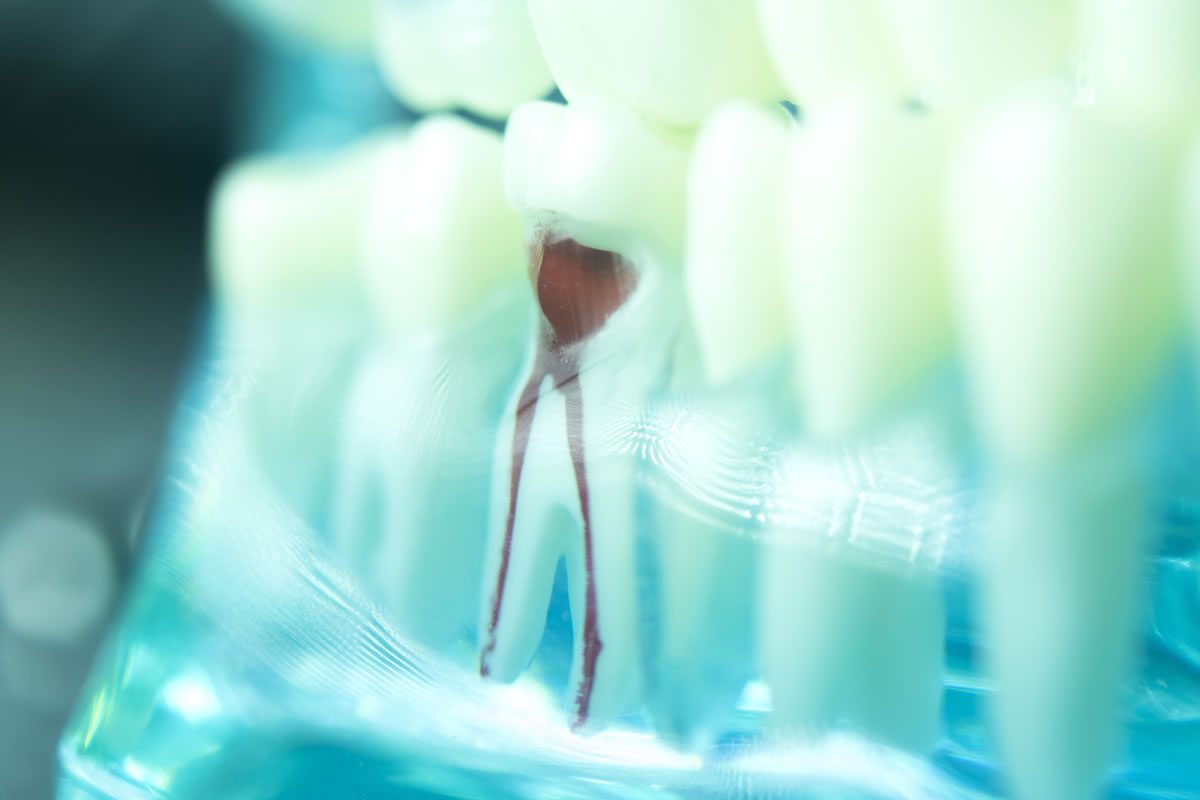
At the core of every tooth is a small chamber filled with nerves and soft tissue. When that chamber gets inflamed or infected – due to a cavity, a crack, or an injury – a root canal steps in to help. It carefully removes the infection, fills the empty space, and seals everything shut.
This helps:
• Relieve pain and pressure
• Prevent the infection from spreading
• Keep the natural tooth intact
• Avoid a more involved (and expensive) replacement
It’s not a temporary fix. It’s a lasting solution that gives your tooth a genuine second chance.
Done with precision – and your comfort considered every step of the way.
Your dentist will begin with a thorough look at what’s happening – sometimes using x-rays, sometimes a gentle examination. If a root canal is the right call, you’ll be clearly walked through the plan ahead of time.
You can expect:
• Local freezing to keep things comfortable
• Gentle removal of the infected pulp
• Cleaning, shaping, and sealing the inner canal
• A crown or filling to restore the outer tooth
The visit typically runs longer than a standard filling. But for many patients, the relief comes quickly – and it’s well worth it.
Your root canal therapy questions, answered.
A root canal can put an end to the pain – and protect your smile.
You shouldn’t have to put up with that constant ache. And you shouldn’t have to lose your tooth, either. If something feels off, come in and let us take a look.