Periodontics
Healthy gums are the foundation of everything else.
It’s easy to overlook your gums – until they start to bleed, ache, or pull back from your teeth. But gum health is about far more than comfort. It’s about preserving the foundation that keeps your teeth in place. Strong gums mean stable teeth. Weak gums mean things begin to shift.
At our clinics, we look beyond what’s visible on the surface. We assess what’s happening underneath, identify early warning signs, and help you address problems before they grow into something serious.
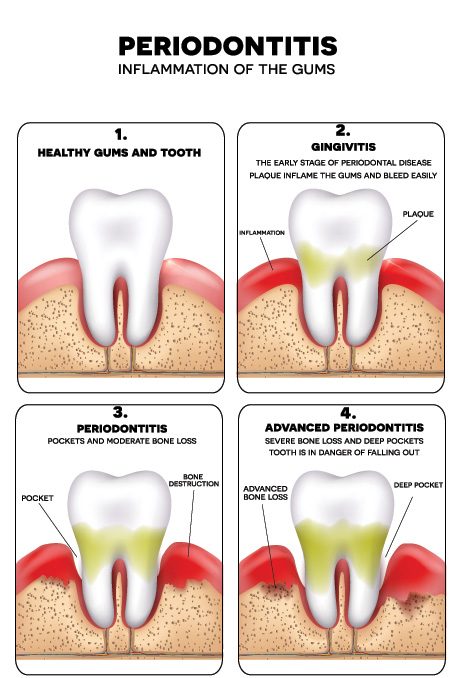
Gum disease doesn’t always look serious—until it is.
In the early stages, there may be no pain at all. No swelling. Perhaps just a faint trace of blood when you floss. But that’s often where it begins. Left without treatment, gum disease can slowly destroy the bone that anchors your teeth in place.
Our priority is to detect it early – or prevent it from developing altogether.
You may need:
• Scaling and root planing to clear plaque from below the gumline
• Ongoing periodontal maintenance to manage long-term cases
• Deep cleaning combined with localized antibiotic therapy
• Gum grafting or surgical treatment in more advanced situations
This isn’t about alarming you. It’s about helping you stay ahead of the damage – and hold on to your natural teeth for as long as possible.
We’ll meet you where you’re at—and explain every step.
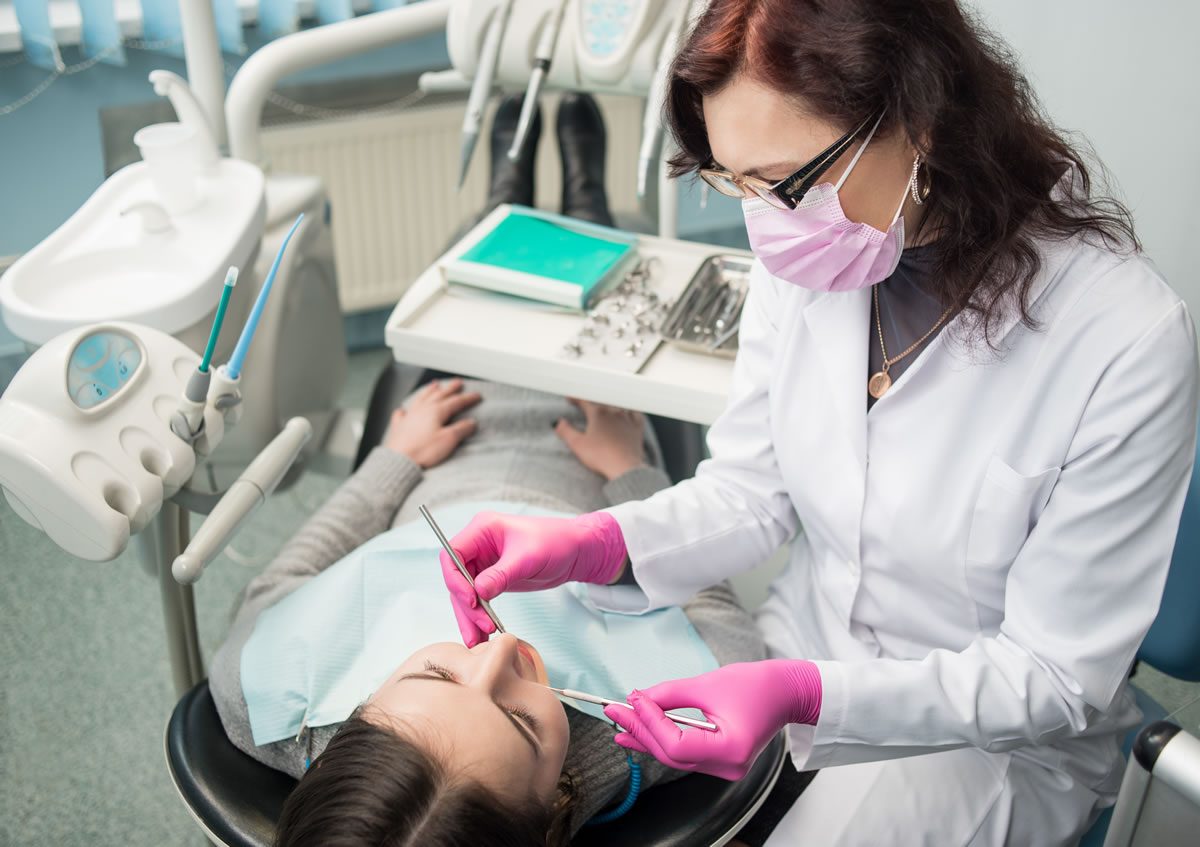
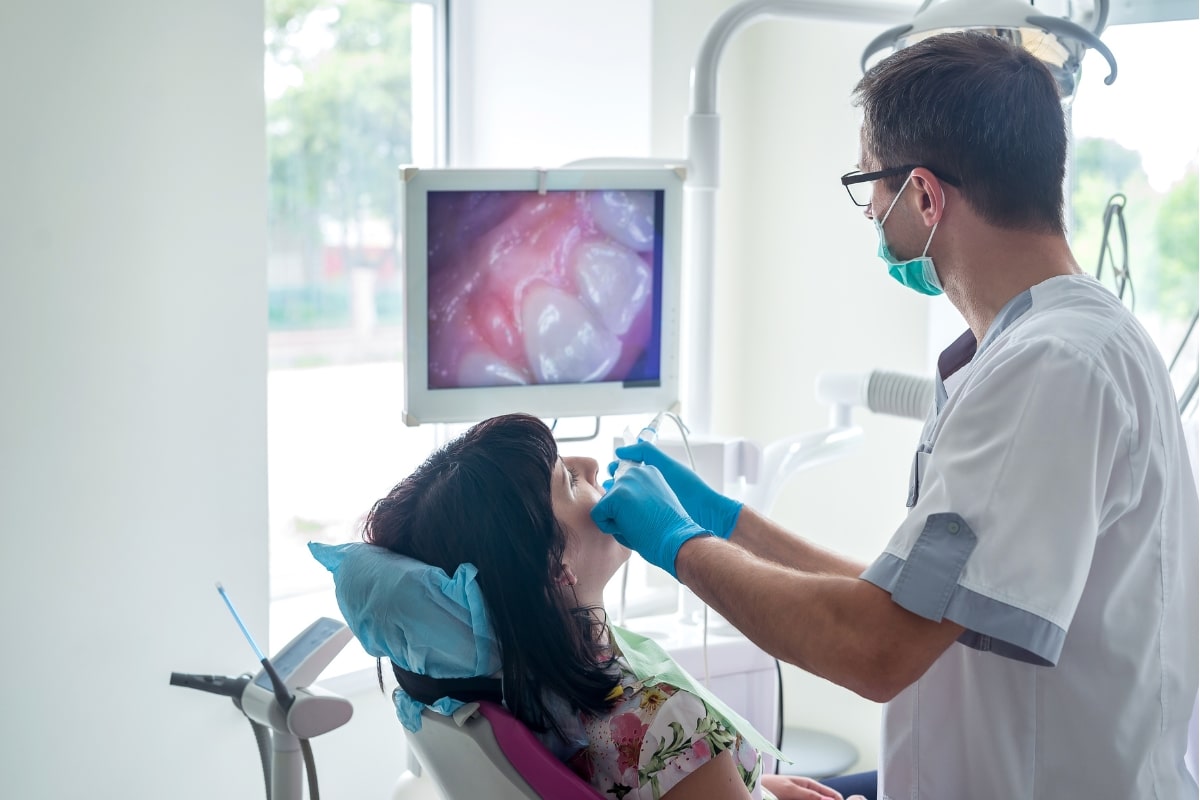
When gum concerns bring you in, we take a thorough look. That can include measuring pocket depth around each tooth, checking for signs of gum recession, and reviewing your x-rays to understand what’s happening below the surface.
From there:
• We’ll walk you through everything we find
• We’ll outline the next steps in plain language
• We’ll share what you can do to help at home
• We’ll give you real choices, not just a single option
Gum care isn’t about lectures. It’s about working together.

Your dental questions, answered.
Gum health matters more than most people realize.
If you’ve noticed bleeding, puffiness, or a shift in your gumline, it’s worth getting checked. Taking action now can save you from much bigger problems down the road.