
Gum Grafting
When gums pull back, the roots beneath them become exposed.
It might start as a single sensitive spot near the front. Or it could be an entire section that looks noticeably longer than before. The root becomes visible, brushing feels uncomfortable, and cold foods seem to hit harder than they ever did.
Gum grafting isn’t a cosmetic fix. It’s about restoring structure – rebuilding the protective barrier that once kept those areas safe. When a tooth root stays exposed too long, it can deteriorate quickly. This treatment helps address the problem before things get worse.

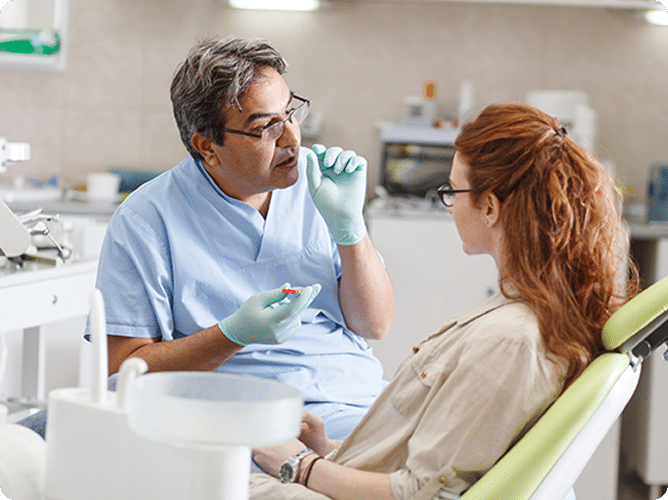
Recession can’t always be undone – but it can be treated.
Once gum tissue is lost, it doesn’t grow back on its own. So when recession occurs – whether due to disease, injury, or simply the passage of time – a different approach is needed.
Grafting involves placing soft tissue, taken from elsewhere in the mouth or from a donor source, to restore coverage over the affected area. It shields the tooth, reduces sensitivity, and often makes the area easier to keep clean over time.
Dentists might recommend this when:
• Root surfaces are visible and causing sensitivity
• Brushing is painful or leads to bleeding
• Gums have receded unevenly around one or more teeth
• Long-term tissue loss has resulted from past inflammation or grinding
It may sound involved – but the process is carefully managed.
Before the procedure begins, your provider will walk you through where the tissue is needed, where it will come from, and what the healing period looks like.
Most procedures follow a straightforward sequence:
• The area is numbed so you remain comfortable throughout
• A small piece of soft tissue is positioned where the gums have thinned
• The graft is held in place with stitches, often the dissolvable kind
• Gauze or protective dressings may be used in the first few hours
• A follow-up visit is typically scheduled within 7-10 days to review healing
Some patients rest for a weekend and feel back to normal quickly. Others need a little more time. Recovery varies depending on your healing and where the tissue was taken from.
Your Gum Grafting questions, answered.
Sensitive roots and discomfort when brushing don’t have to be your normal.
Grafting gives your gum tissue a second chance to do its job – covering, protecting, and supporting your teeth. When the timing is right, your dentist will walk you through every step of the process.