
Dental Implants
Dental implants are a long-term solution for missing teeth.
Losing a tooth can affect more than you might think. It changes the way you chew, the way you speak, and the way you feel about your smile. Dental implants do more than close a gap – they restore something that feels natural, stable, and truly part of you. Once they’re placed, you can get back to your everyday life without giving your teeth a second thought.
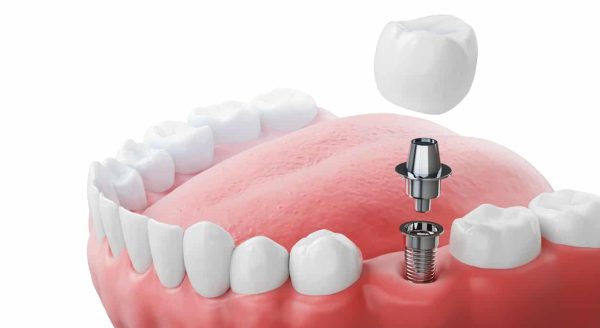
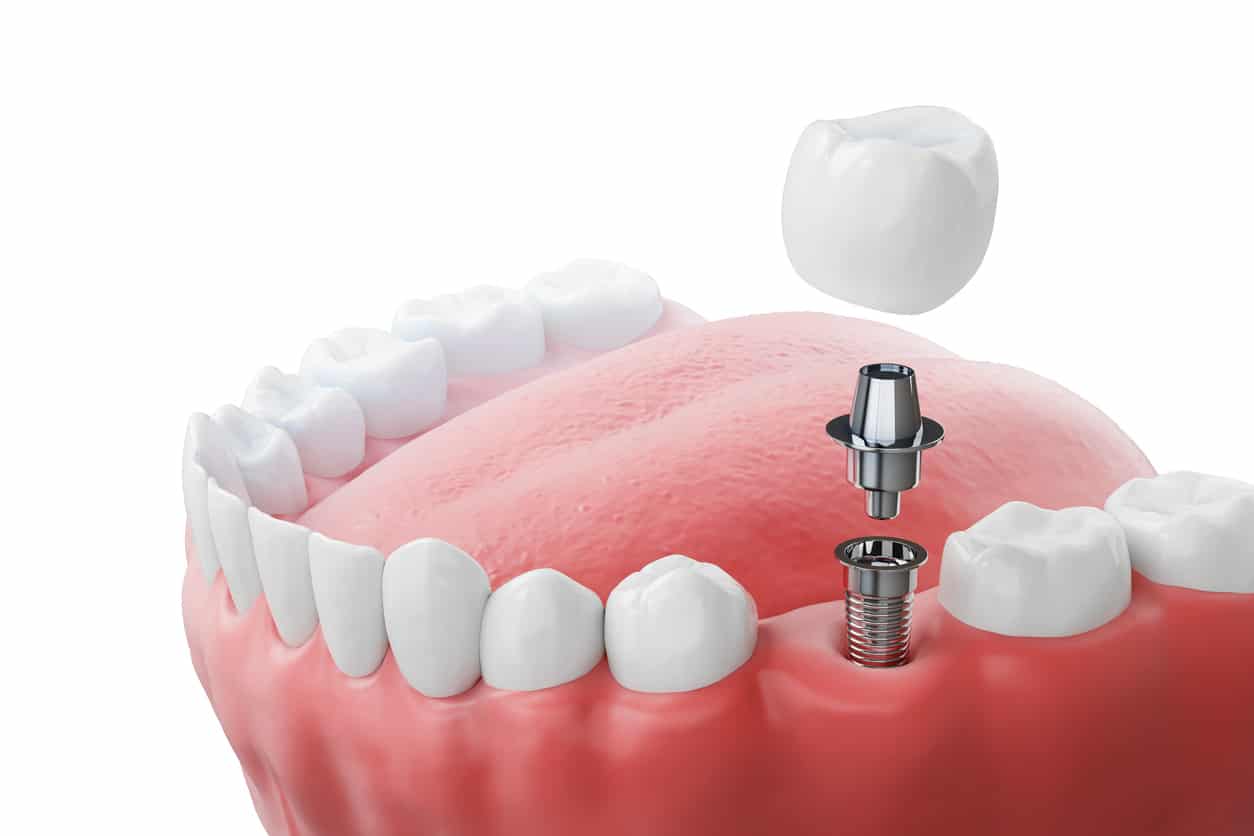
A deeper fix than just appearances.
A dental implant begins with a small post placed into your jaw, right where your natural root once sat. Once healing is complete, a custom-made tooth is secured on top. It stays put, never needs to be removed, and does not depend on neighboring teeth for support. For a lot of patients, that stability is what matters most – not just how it looks, but the ability to eat, talk, and smile freely again.
It might be a good choice if:
• You’ve lost one or more teeth
• You want something that won’t move or slide
• Your gums are healthy and your bone can support it
• You want to leave the teeth next to it alone
• You’d prefer a long-lasting solution without daily fuss
Dentists often recommend implants when a bridge is not the best fit – particularly when preserving the surrounding teeth is a key concern.
Every step takes time—but it’s worth it.
Here’s a general idea of how the process works:
• Your dentist checks that you have enough healthy bone to support an implant
• The post is placed using local freezing, keeping discomfort to a minimum
• You allow a few months for the bone and implant to bond together
• The final tooth, or crown, is then attached on top
• Occasional follow-up visits help confirm everything is staying in good shape
In some cases, a bone graft may be needed before the implant can be placed. If that applies to you, your dentist will explain each step clearly and at your own pace – no pressure at all.
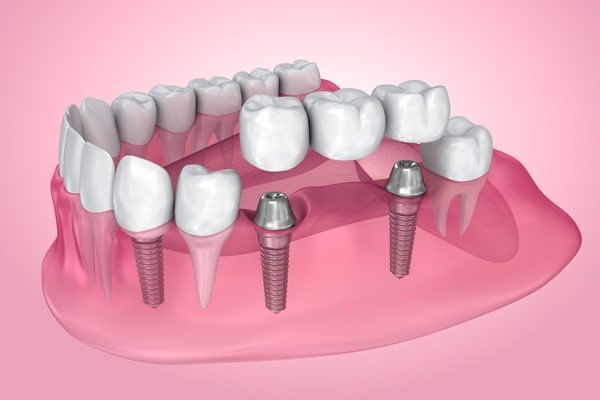

Your dental questions, answered.
Explore dental implant options near you.
Some gaps are easier to leave than others. A missing tooth often is not one of them. Whether you are ready to move forward with implants or simply want to understand your options, we are here to help you figure out the right next step.