
Bonding
A simple fix that brings your smile back to where it belongs.
Maybe it’s a small chip on a front tooth. A gap you keep spotting in pictures. A rough edge your tongue keeps finding. It doesn’t cause pain – but it stays on your mind.
Bonding is one of the easiest ways to address it. Through careful shaping and finishing, your dentist can restore that area so it looks like it was never there – no extensive treatment required, and usually done in one visit.
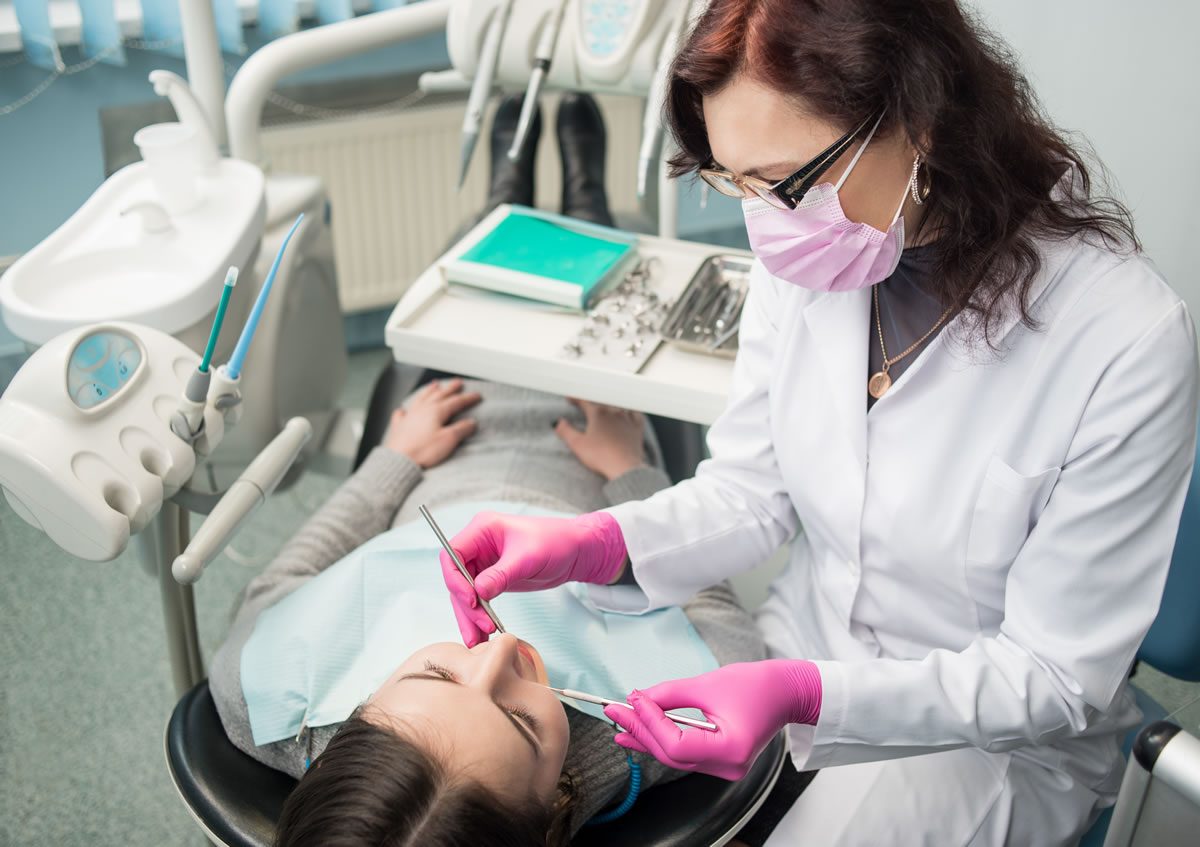
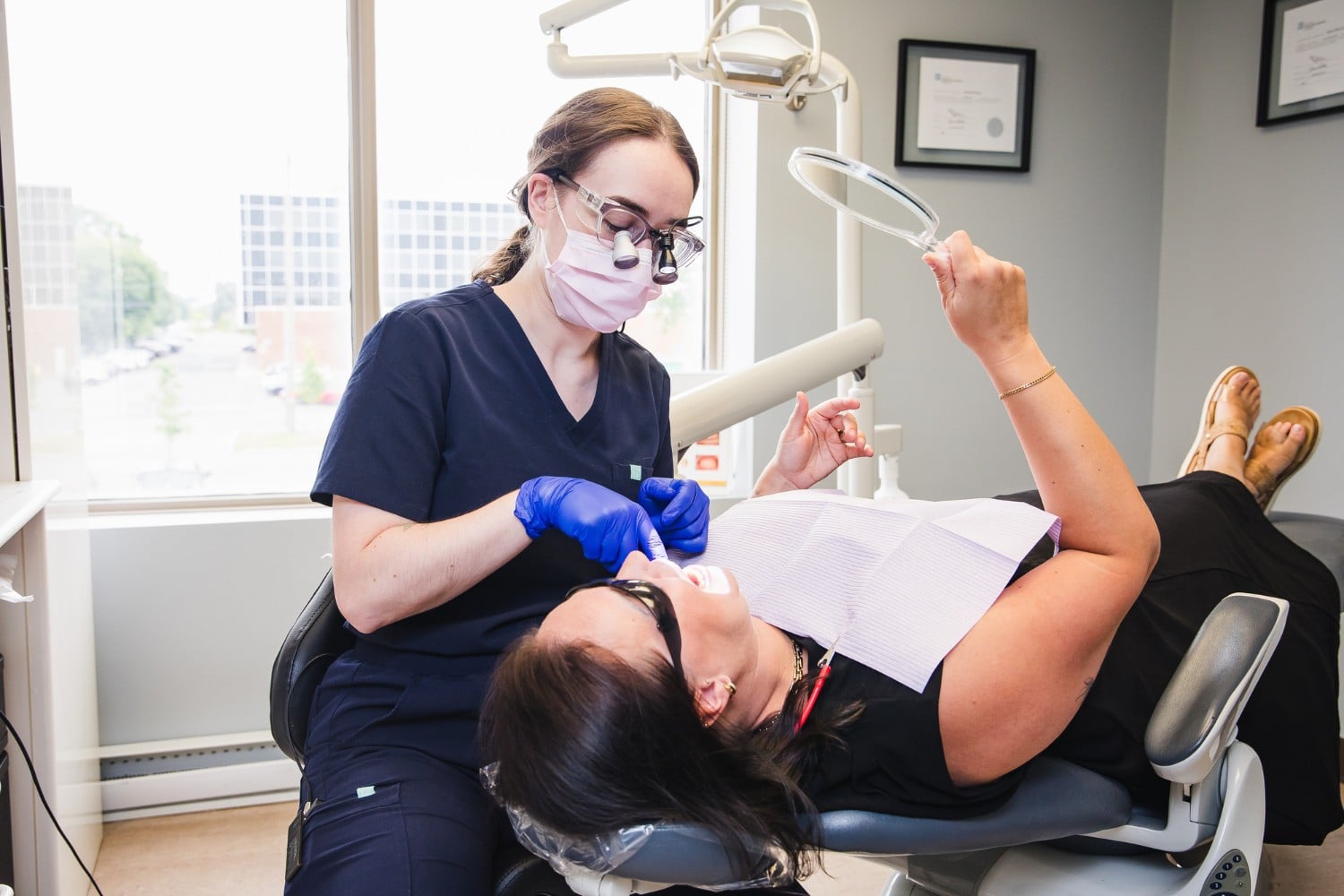
A minor imperfection that deserves real attention.
Bonding uses a tooth-coloured material to restore areas that are chipped, irregular, or discoloured. It’s applied and shaped by hand, built up gradually until it sits seamlessly alongside the natural tooth. No moulds. No lab work. Just precise, hands-on care performed right in the chair.
Bonding is commonly used for:
• Small chips or cracks
• Worn or uneven edges
• Narrow gaps between teeth
• Marks or stains that whitening cannot reach
It isn’t suited to every situation – but when it’s the right choice, the outcome can be immediate and genuinely satisfying.
Most bonding visits wrap up in under an hour.
Freezing is rarely needed – just a calm, focused appointment with your dentist. You’ll talk through what’s been bothering you and what you’d like to see improved.
Here’s what the process generally looks like:
• The tooth surface is gently cleaned and lightly conditioned
• The bonding material is applied and shaped with care
• A curing light sets the surface so it holds firmly
• The area is polished until it feels smooth and natural
In most cases, you’ll leave with the result already complete – no return visit required.
Your Bonding questions, answered.
That little thing that’s been bothering you – bonding may be all you need.
There’s no need for extensive dental work just to repair a chip or smooth out a spot that’s been on your mind. Bonding is fast, straightforward, and often delivers a noticeable result.